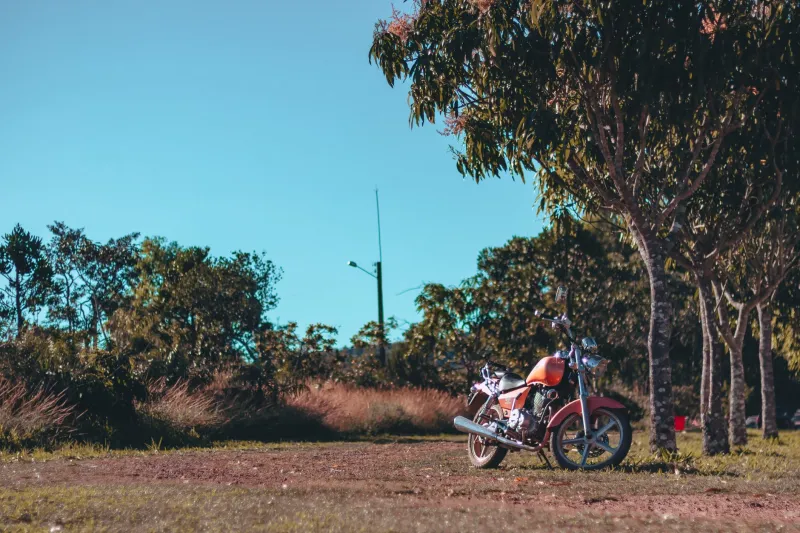
Same Rebel DNA: How Harley Culture and Craft Distilling Were Built from the Same Blueprint
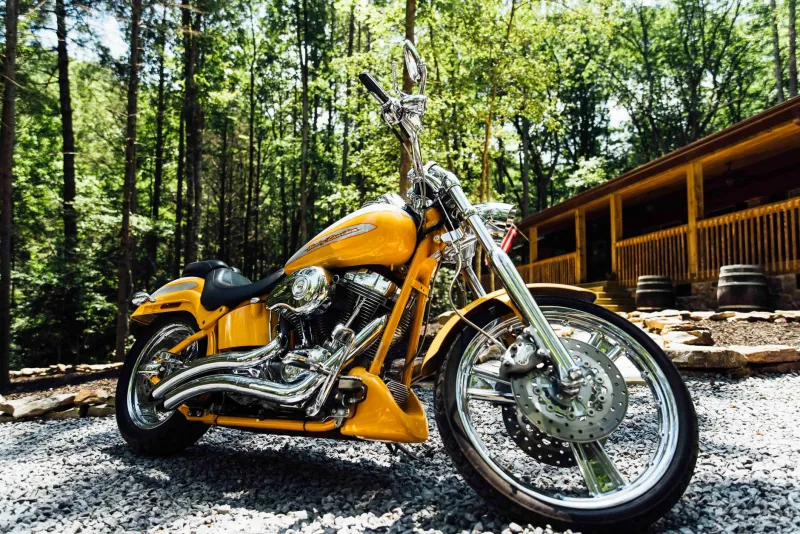
Walk into a small-batch distillery in Kentucky or a custom motorcycle shop in Milwaukee, and you might be surprised by how similar the air feels. Not literally—one smells like white oak and corn mash, the other like machine oil and leather. But there's an energy in both places that's harder to fake than a corporate rebrand. It's the energy of people who chose the hard way on purpose.
This isn't a coincidence. The Harley-Davidson rider and the craft distillery owner share something that goes beyond aesthetic overlap—beyond the Americana imagery, the rugged individualism, the Instagram-worthy product shots. They share a philosophy. A way of doing business, building community, and pushing back against a world that keeps telling them bigger is better.
The Mass-Production Problem
Let's go back a few decades. The American motorcycle market in the 1970s and '80s was being flooded by Japanese manufacturers offering cheaper, more reliable bikes at scale. Harley-Davidson nearly didn't survive it. What saved them—arguably—wasn't a better engine spec or a lower price point. It was identity. The Harley Owners Group launched in 1983, and suddenly buying a Harley wasn't just a purchase. It was joining something.
The craft spirits movement tells a strikingly similar story. By the early 2000s, a handful of conglomerates controlled the vast majority of American whiskey, vodka, and gin production. The product was consistent, inoffensive, and utterly soulless. Then the craft distilling laws started loosening state by state, and people who cared too much about the process started opening tiny operations in repurposed warehouses and old farmsteads.
Tom Beckett, who co-founded a small-batch rye distillery in rural Indiana, puts it plainly: "We weren't trying to compete with Jim Beam on volume. We were trying to make something Jim Beam couldn't make—something that tasted like it came from somewhere specific, made by someone specific."
Sound familiar? That's the same argument a custom bike builder makes every single day.
The DIY Ethos Isn't a Trend—It's a Value System
One of the most persistent myths about both motorcycle culture and craft spirits is that the DIY attitude is some kind of marketing affectation—something brands slap on to seem authentic. Ask anyone who's actually spent a weekend pulling a carburetor apart or running a grain-to-glass distillation cycle, and they'll tell you it's anything but.
Jake Morales has been building custom Harley choppers out of a garage in Albuquerque for eleven years. He doesn't have a showroom. He doesn't run ads. "Every bike I build has a problem I had to solve that no catalog part could fix," he says. "That's not a selling point. That's just Tuesday."
Across the country in Vermont, a craft gin distiller named Carla Ness describes her botanical sourcing process with the same matter-of-fact intensity. She foraged juniper from a specific hillside for three seasons before she was satisfied with the flavor profile. "People ask why I don't just order it from a supplier. Because then it's not mine anymore. It's just product."
Both Morales and Ness are describing the same thing: an unwillingness to let convenience erode ownership of the outcome. That's not a niche personality quirk. That's a foundational business philosophy.
Brand Loyalty That Can't Be Bought
Here's something that keeps marketing consultants up at night: you cannot manufacture the kind of loyalty that Harley-Davidson commands. You cannot manufacture the kind of cult following that surrounds a beloved regional distillery. You can spend millions trying, but the customers know.
Harley riders get tattoos of the bar-and-shield logo. Craft spirits fans seek out limited releases and drive hours to visit distilleries in person. These aren't passive consumers—they're advocates, evangelists, people who've made a brand part of their identity because that brand made them feel seen.
The mechanism behind this is the same in both worlds: transparency and community. Harley dealers have long functioned as community hubs—places where riders gather, share routes, and look out for each other. Craft distilleries function the same way. Tastings become conversations. Tours become relationships. The transaction is almost secondary.
"I've had customers drive four hours to pick up a case they could've had shipped," Ness says. "They want to see the still. They want to talk about the last batch. That's not buying a product—that's participating in something."
Anti-Corporate, Pro-Quality: The Politics of the Pour
There's a mild but real rebelliousness embedded in both cultures, and it's worth naming directly. Choosing a Harley over a mass-market metric cruiser is, for many riders, a statement. Choosing a craft whiskey over a major label is, for many drinkers, a statement. Neither group is purely anti-commerce—they're anti-hollow commerce. They'll spend more money, willingly, for something that represents values they actually hold.
This creates an interesting market dynamic. Both industries have had to navigate the tension between growth and authenticity. Harley has stumbled in recent years trying to court younger, more diverse riders while keeping the core faithful happy. Craft distilleries face acquisition pressure from the same conglomerates they were founded in opposition to.
Beckett is philosophical about it: "If a big company buys you out and keeps the craft process intact, maybe that's fine. But most of the time they don't. They scale it, they standardize it, and they kill the thing that made it worth buying in the first place."
Morales is less diplomatic: "The moment you can't tell me who built my bike or why they made the choices they made, it's just a machine. I can get a machine anywhere."
Two Cultures, One Table
What's most interesting about the overlap between Harley culture and craft distilling isn't the obvious aesthetic parallels—the leather and the barrels, the Americana imagery, the open road and the open flame. It's that both cultures have independently arrived at the same conclusion about what makes life worth living: quality over quantity, community over transaction, meaning over convenience.
At Bikes & Barrels, we didn't invent this connection. We just noticed it was already there, hiding in plain sight between the throttle and the pour.
Next time you're at a craft distillery, look around. Odds are there's a bike parked out front. And odds are the person who rode it gets exactly what the person behind the still is trying to do.
Ride hard. Drink well. Live free.