From Torque Specs to Tasting Notes: Why Mechanics Make the Best Craft Beverage Nerds
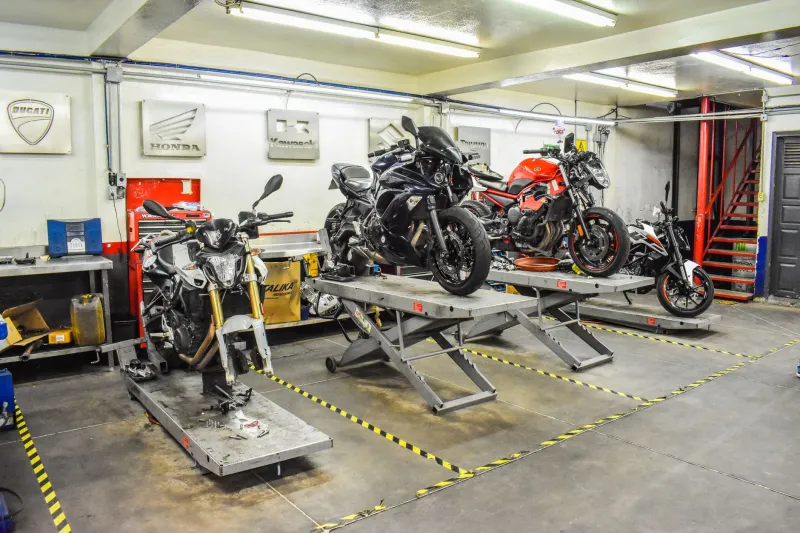
Mike Delgado has been turning wrenches in his Albuquerque shop for going on twenty-two years. He can tell you whether a valve needs adjustment just by listening to an engine idle. He can feel a bad bearing through the grip of a handlebar. His hands know things his brain hasn't even processed yet.
So when a local distillery started hosting tasting sessions at his shop on Thursday nights last fall, nobody expected Mike to become the guy leading the conversation about finish length and mouthfeel. But here we are.
"It's the same skill set, honestly," he says, rolling a small pour of rye around in a Glencairn glass like he's done it a thousand times. "You're paying attention. You're isolating variables. You're asking what's supposed to be there and what isn't."
Mike isn't alone. Across the country — from bike nights in Nashville to rally weekends in Sturgis to independent shops in Portland and Pensacola — a quiet but growing movement is connecting mechanical intuition with craft beverage education. And the results are genuinely surprising.
The Sensory Overlap Nobody Talks About
Here's the thing about great mechanics: they're trained observers. Not in a formal, classroom sense, but in the deeply practical way that comes from years of diagnosing problems nobody else can find. They listen for detonation. They smell for burning oil. They feel for vibration in the wrong places. Their senses are constantly calibrated.
Now swap out the shop for a tasting room. That same mechanic is suddenly picking apart layers in a barrel-aged stout — roasted malt up front, a vanilla note from the oak, a slight alcohol heat on the backend. They're not guessing. They're doing what they always do: breaking something complex down into its components.
Dr. Rachel Odom, a sensory scientist who's consulted for both craft breweries and automotive training programs (yes, that's a real crossover), puts it plainly: "People who work with their hands and rely on sensory feedback for precision tasks tend to develop highly differentiated perception. They just need the vocabulary to describe what they're already detecting."
That vocabulary gap — not a lack of palate — is what most structured tasting programs are trying to close.
Garages as Tasting Rooms: The New Friday Night
The format varies by location, but the concept is catching on fast. Some shops partner directly with local craft breweries or distilleries to host monthly education nights. Others bring in brand ambassadors from regional spirits labels who are savvy enough to know that bikers are an underserved and deeply loyal consumer base.
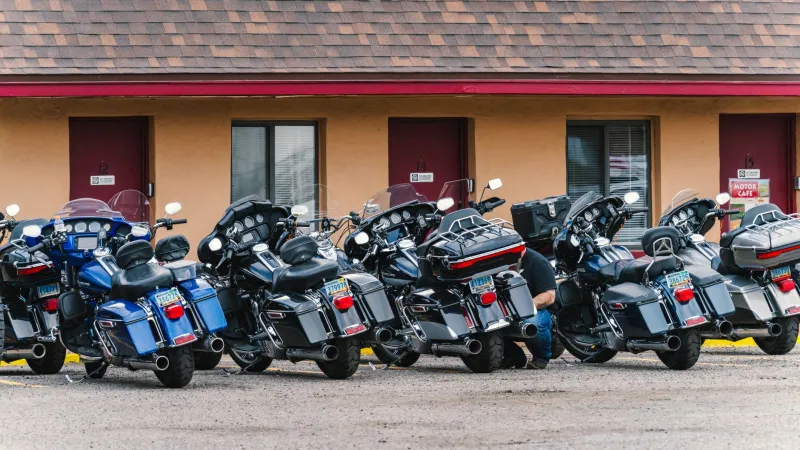
At a Harley-Davidson dealership outside of Knoxville, Tennessee, the service department started hosting quarterly "Wrenches & Whiskey" evenings after a parts manager noticed how often customers lingered to talk about bourbon after test rides. Now they move through three or four expressions per session, with printed tasting cards that use mechanical analogies to describe flavor profiles.
One card reads: "Think of the finish like your braking distance — how long does it take to stop? Short and abrupt, or long and controlled?" Another compares a spirit's body to engine displacement: "Light-bodied is like a 250cc — nimble, quick, not trying to overpower you. Full-bodied is your 1800cc bagger — it fills the road."
It sounds gimmicky until you watch a room full of riders who've never taken a spirits class start using those exact comparisons to articulate what they're tasting. Then it just sounds smart.
Learning to Tune Your Palate
For riders who want to start developing their tasting chops outside of a structured event, the approach isn't complicated — it just requires the same mindset you'd bring to diagnosing an unfamiliar bike.
Start with a baseline. Before you try something new, know what you already like. Can you describe why? Is it the sweetness? The smokiness? The carbonation level? Getting specific about your preferences is step one.
Isolate the variables. When tasting a new whiskey or craft beer, slow down and work through it in stages. Nose it first — what comes up before you even take a sip? Then taste it and pay attention to what hits first, what develops in the middle, and what lingers after you swallow. That's the front, mid-palate, and finish. Sound familiar? It's basically a three-stage diagnostic.
Use your own reference points. Tasting notes in craft beverage guides can get pretentious fast. Ignore the stuff that sounds like a perfume catalog and translate it into your own language. If something smells like the inside of a hardware store in a good way — cedar, oil, metal — say that. If a beer reminds you of the coffee you drink before a long morning ride, write it down. Your references are valid.
Repeat with intention. Palate development is repetition with attention. The more deliberately you taste, the faster your brain builds a library of reference points. It's like learning a new engine platform — the first one takes forever, but by the third you're seeing the patterns.
The Rally Circuit as Classroom
Rally culture has been quietly embracing this trend too. Events like Daytona Bike Week and the Black Hills Motor Classic in Sturgis now regularly feature craft beverage vendors who do more than just pour — they educate. Guided flights, paired tastings with food trucks, even short seminars tucked between vendor tents.
Rider and amateur distilling enthusiast Carla Simmons attended her first structured whiskey tasting at a rally in Myrtle Beach three years ago and hasn't looked at a pour the same way since. "I thought I just liked bourbon," she laughs. "Turns out I specifically like high-rye mash bills with a longer finish and minimal sweetness. I had no idea how to say that before."
She now runs informal tasting sessions out of her garage in Charlotte, pulling in a rotating crew of riding friends who've started approaching their post-ride drinks with the same curiosity they bring to a new route.
The Takeaway
The motorcycle community has always had a thing for mastery. Whether it's rebuilding an engine from scratch, customizing a frame, or knowing every back road between here and the state line — riders respect people who know their stuff deeply and completely.
Craft beverage culture runs on exactly the same currency. The brewer who's obsessed with water chemistry. The distiller who pulls barrels by hand to check the angel's share. The bartender who sources ingredients like they're building a spec sheet.
Put those two worlds in the same room — or the same garage — and something clicks. The mechanic who can hear a miss in a firing sequence can learn to taste the difference between a 2-year and a 5-year barrel. The rider who knows every nuance of a mountain switchback can learn to identify a dry-hopped IPA by aroma alone.
It's not about becoming a snob. It's about paying attention. And if there's one thing riders already know how to do, it's that.
So next time someone at your shop suggests cracking open something interesting after the last bike rolls out of the bay, don't just drink it. Taste it. You've already got the tools.