Old Iron, Old Oak: Why Collectors Are Chasing Vintage Bikes and Aged Whiskey at the Same Time
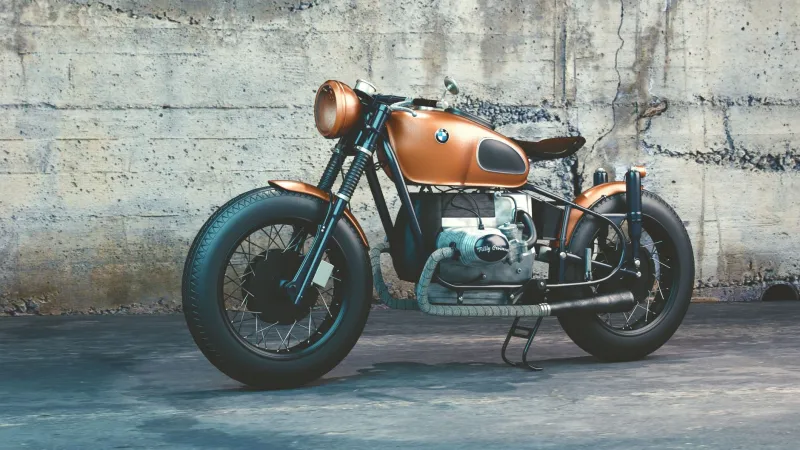
There's a particular kind of satisfaction that comes from owning something that was built before corners got cut. A 1969 Triumph Bonneville with original paint. A bottle of 23-year Pappy Van Winkle pulled from a back shelf in a Louisville warehouse. Neither is practical. Both are extraordinary. And increasingly, the people who want one tend to want the other.
The vintage motorcycle revival and the rare spirits boom aren't running on parallel tracks by coincidence. They're powered by the same engine: a hunger for things made with intention, things that took time, things the modern assembly line simply cannot replicate.
The Economics of Longing
Let's talk numbers, because the romance only goes so far without them. Restored vintage motorcycles — think pre-CBS Harleys, early-model BMWs, or clean British iron from the 1950s through the 1970s — have appreciated steadily over the past decade. A well-documented 1965 Harley-Davidson Panhead that might have sold for $8,000 in 2010 can now command $25,000 to $40,000 depending on condition and provenance. Barn finds with original parts intact fetch premiums that would make a real estate agent blush.
The whiskey market tells a similar story. Secondary market prices for allocated bourbons have climbed so aggressively that some bottles now trade like equities. A Buffalo Trace Antique Collection release that retails around $90 regularly sells for three to five times that in private sales. And that's for the bottles people can actually find. Truly rare expressions — dusty bottles from shuttered distilleries, single-barrel releases with documented history — have crossed into five-figure territory without much fanfare.
What's driving both markets? Scarcity, obviously. But also the very specific appeal of irreversibility. You cannot make more 1968 BSA Lightnings. You cannot conjure a 30-year-old bourbon from a distillery that closed in 1992. That ceiling is permanent, and collectors understand that permanence has value.
The Authenticity Premium
Spend any time in vintage bike circles and you'll hear the word "numbers-matching" thrown around with something close to reverence. It means the engine, frame, and components all carry the original factory codes — proof that the machine hasn't been pieced together from donor bikes or reproduction parts. Numbers-matching bikes sell for significantly more than comparable machines that have been rebuilt with modern components, even if the rebuilt version runs better.
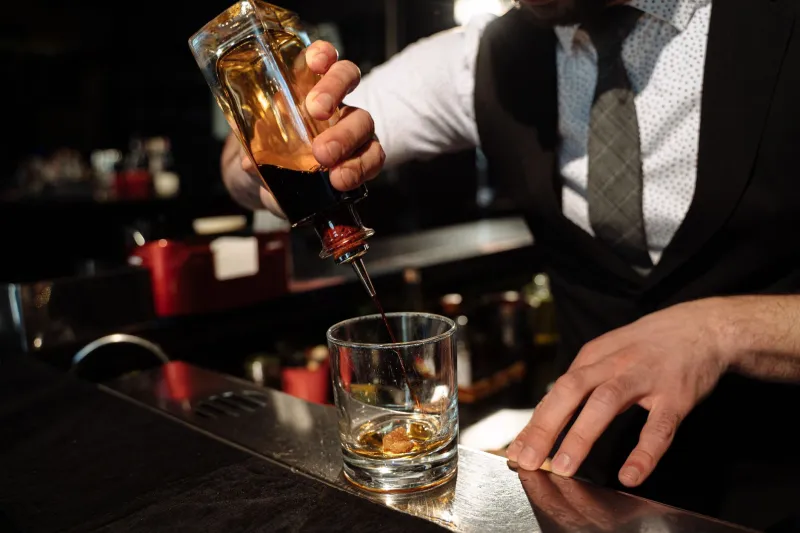
That logic maps almost exactly onto how serious whiskey collectors talk about provenance. A bottle with documented distillery history, original label, and intact tax strip commands a premium over a bottle that simply tastes good. The experience matters, but the story matters just as much. Riders and drinkers alike are paying for the chain of custody.
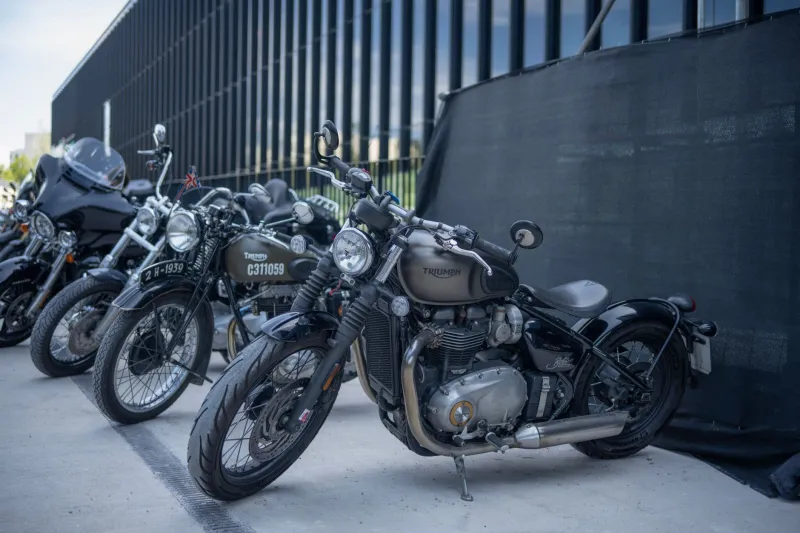
Brands on both sides of this equation have figured that out. Distilleries are leaning hard into heritage narratives — limited releases tied to founding anniversaries, label designs pulled from 19th-century archives, bottles packaged with reproduced historical documents. Motorcycle manufacturers and custom builders are doing the same thing, releasing commemorative editions with period-correct paint schemes, vintage badging, and numbered plaques. Indian Motorcycle's centennial editions. Triumph's Bonneville variants styled after the original 1959 model. These aren't just products. They're arguments about what the brand used to mean and what it still could.
The Collector Community
The people living at the intersection of these two worlds tend to be deliberate about it. Walk into any serious vintage bike show — Barber Vintage Festival in Alabama, the Rhinebeck Antique Motorcycle Show up in New York, the massive swap meets at Davenport — and you'll find vendors selling original parts alongside guys in the parking lot comparing notes on what they poured the night before.
This isn't accidental. The collector mentality that drives a person to spend eighteen months sourcing correct-spec hardware for a restoration is the same mentality that drives them to research distillery histories and track production runs. These are people who believe that details matter. That patience is a virtue with a measurable return. That the process of acquiring something rare is itself part of the reward.
There are now collector societies, online forums, and private groups explicitly built around this overlap. Whiskey clubs with motorcycle-themed names. Riding clubs that organize around distillery tours. Instagram accounts that document restorations alongside carefully poured drams of something old and amber. The community is real, it's growing, and it has money to spend.
What Brands Are Getting Right (and Wrong)
The smart brands are finding ways to create products that honor this sensibility rather than just exploit it. A craft distillery in Kentucky releasing a bourbon aged in barrels that spent time in a custom-built motorcycle sidecar isn't just a gimmick if the liquid is actually good. A motorcycle manufacturer offering a limited-edition model with hand-painted heritage graphics and a certificate of authenticity isn't just nostalgia-bait if the engineering backs it up.
What doesn't work is the shallow version: slap a motorcycle logo on a bottle, call it a collaboration, charge a premium, and expect the collector community to play along. These buyers are sophisticated. They've done their homework. They know the difference between a brand that respects the history and a brand that's renting it for a marketing cycle.
The collaborations that land tend to involve genuine creative investment. Whiskey makers who actually ride. Custom builders who actually drink. Stories that connect across both worlds in a way that doesn't feel manufactured, because the people involved weren't manufacturing it — they were living it.
Why Now
There's a broader cultural undercurrent worth acknowledging here. We are deep into an era of disposability — fast fashion, algorithm-driven content, products designed to be replaced rather than repaired. The vintage bike revival and the heritage spirits boom are, in part, a reaction to that. A deliberate choice to invest in things built to last, to value craft over convenience, to own something that has a story instead of just a SKU.
For riders, a restored vintage machine is a statement of values as much as a mode of transportation. It says: I know what came before. I know how it was done. I'm willing to do the work to preserve that. The whiskey on the shelf beside the garage workbench says the same thing in a different language.
Old iron and old oak. They've been aging in the same direction all along.