Where the Mash Bill Meets the Manifest: Inside the South's Booming Bike and Bourbon Convergence
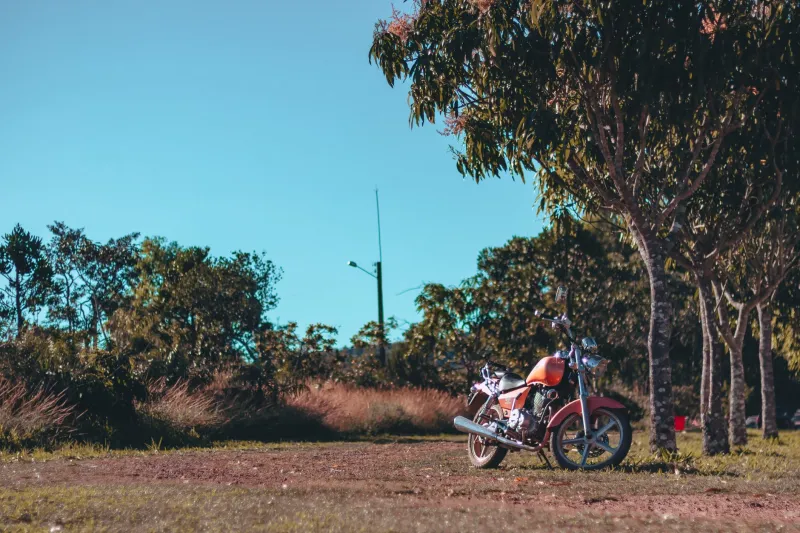
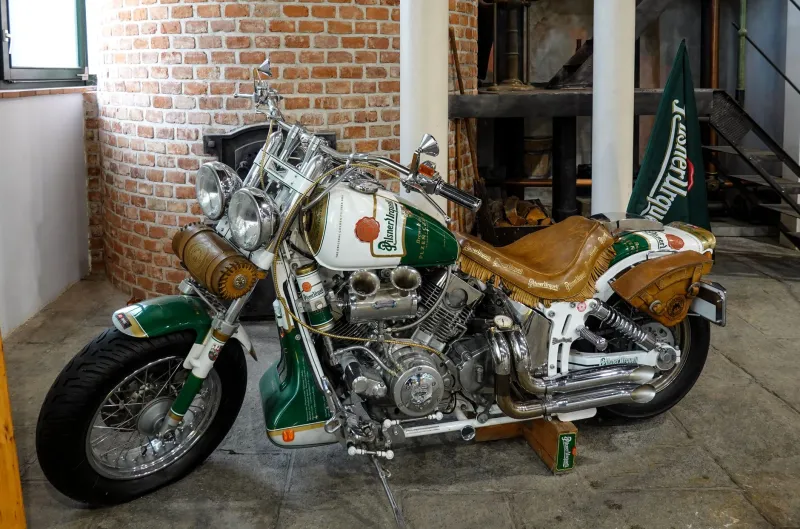
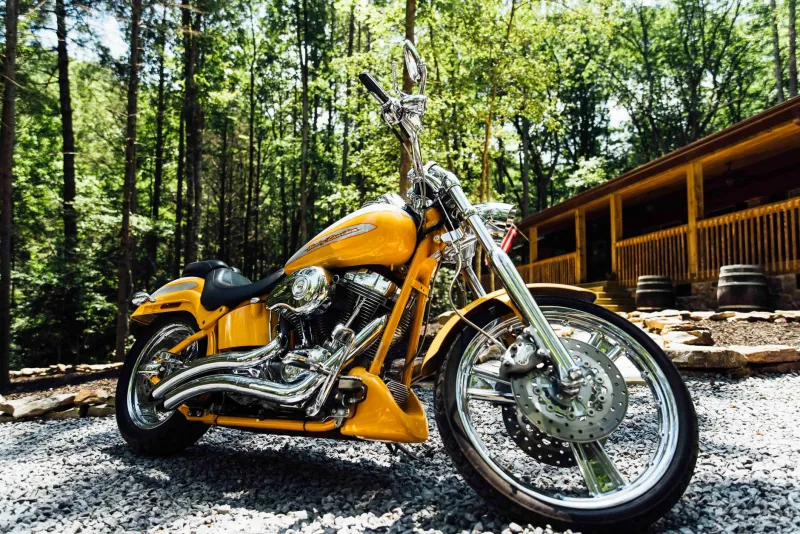
Drive the back roads of central Kentucky on any given Saturday morning and you'll notice something that doesn't quite compute at first. Parked outside a limestone-walled distillery in Bardstown, or lined up along the gravel lot of a small-batch operation just outside of Lawrenceburg, you'll find motorcycles. Lots of them. Not because there's a rally nearby. Not because some local club picked this spot for a meet-up. Because the riders and the distillers have figured out something the rest of the country is just catching on to: they're the same people.
The overlap between bourbon country and motorcycle culture in the American South isn't a coincidence or a marketing gimmick. It's a genuine, organically grown convergence that's reshaping how both industries think about their customers, their craft, and their communities.
The Geography of Parallel Passions
Start with the map. Kentucky produces roughly 95% of the world's bourbon supply. It's also home to a quietly thriving custom motorcycle scene centered around Louisville, Lexington, and the rural counties in between. Tennessee, meanwhile, has seen its craft distilling scene explode over the past decade — and so has its concentration of independent bike shops, custom builders, and riding clubs, particularly around Nashville and Knoxville.
This isn't coincidental geography. Both industries thrive in places with a particular cultural DNA: a reverence for American craftsmanship, an appetite for things made slowly and done right, and a stubborn resistance to the mass-produced and the mediocre. The Appalachian foothills and the Bluegrass region have been incubating that mindset for generations.
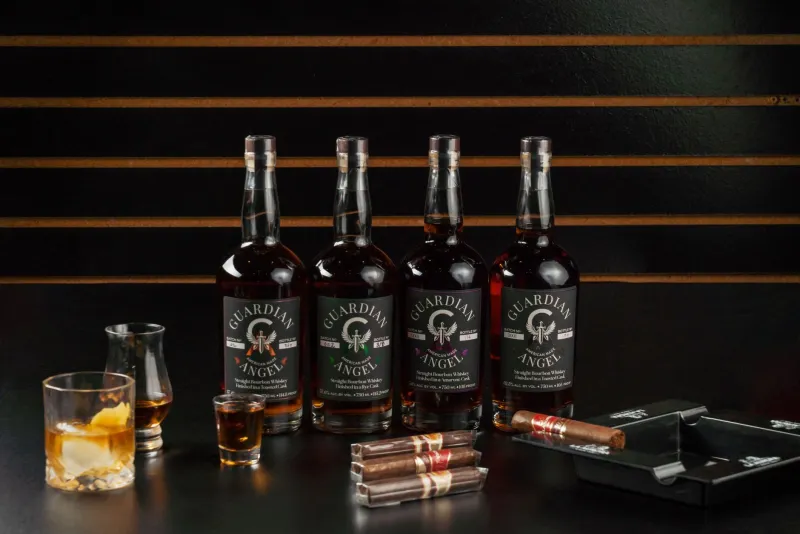
"There's a phrase we use in distilling — 'the angel's share,'" explains Daniel Prewitt, co-founder of Prewitt Creek Spirits, a small-batch operation outside of Shelbyville, Kentucky. "It's the whiskey that evaporates from the barrel while it ages. You give something up to get something better. Custom bike builders understand that instinctively. You sacrifice convenience, you sacrifice speed, and what you get back is something that can't be replicated."
Daniel would know. Before he opened Prewitt Creek, he spent six years as a fabricator at a Louisville custom shop.
Shared Supply Chains, Shared Values
The connections run deeper than philosophy. Several entrepreneurs we spoke with pointed to tangible supply chain overlaps that most people never consider.
White oak — the only wood legally permitted for aging straight bourbon — is sourced heavily from the same Appalachian forests that supply hardwood to custom bike workshops building hand-crafted wooden accent pieces, saddlebags, and display components. Cooperages (barrel makers) in Kentucky have begun quietly supplying reclaimed stave wood to furniture makers who sell directly to motorcycle lifestyle brands for bar tops, shelving, and shop interiors.
Then there's leather. The same tanneries supplying premium hides to saddlery operations — which feed both the equestrian and motorcycle seat markets — have longstanding relationships with distilleries that use leather in packaging, branding, and gift sets. In a region where craft industries cluster, supply chains inevitably intertwine.
"I buy my barrel char from the same guy who sells smoking wood to three BBQ joints and reclaimed staves to a furniture maker who does custom work for a bike shop in Louisville," says Marta Ellison, head distiller at Ellison & Sons in Lawrenceburg. "We're all drinking from the same well, literally and figuratively."
The Customer Is the Same Person
Market research in both industries has been arriving at the same uncomfortable conclusion for years: the ideal customer for a craft bourbon and the ideal customer for a premium custom motorcycle are, statistically, almost identical. Male-skewing (though both industries are actively working to change this), 35-55, household income above $90k, values experiences over possessions, prioritizes authenticity, and is deeply skeptical of corporate branding.
Savvy operators in both spaces have started acting on this. Distilleries along Kentucky's Bourbon Trail have begun installing designated motorcycle parking and partnering with local riding clubs for organized tour days. Several Nashville-area bike shops now stock curated Tennessee whiskey selections in their customer lounges — not as a novelty, but as a genuine hospitality offering that speaks to who walks through the door.
Jake Turrentine runs Ironclad Customs out of a converted tobacco barn near Clarksville, Tennessee. His shop builds stripped-down, old-school American bikes with a waiting list that stretches 14 months. Two years ago, he partnered with a nearby craft distillery to create a co-branded "build experience" package: customers who commission a custom bike also receive a private barrel selection session, culminating in a personalized bottle of whiskey delivered the same day as their completed motorcycle.
"It sold out in a week," Jake says, not entirely surprised. "I didn't have to explain to a single customer why those two things went together. They already knew."
What's Driving the Southern Hotbed
Why the South specifically? Several factors converge here that don't exist in quite the same combination anywhere else in the country.
First, regulatory environment. Kentucky and Tennessee have historically maintained some of the most distillery-friendly regulations in the nation, allowing the industry to grow organically rather than fighting bureaucratic headwinds at every turn. Similarly, Southern states have generally imposed fewer restrictions on motorcycle customization and modification, giving builders more creative latitude.
Second, the roads. The curves of the Cumberland Plateau, the sweeping straightaways of the Bluegrass, the mountain switchbacks of East Tennessee — this is legitimately some of the finest motorcycling terrain in America. Riders come to the South for the roads and stay for everything else the region offers. Increasingly, that "everything else" includes world-class bourbon.
Third — and maybe most importantly — there's a cultural permission structure in the South that encourages this kind of cross-industry identity. Being a whiskey person and a bike person isn't a contradiction here. It's practically a resume.
What This Means Going Forward
The entrepreneurs straddling both worlds are watching closely as this convergence matures. Several distilleries are in conversations with custom builders about co-branded merchandise lines. At least one Kentucky operation is reportedly developing a motorcycle-focused tasting experience specifically designed around the Bourbon Trail riding circuit.
For riders and drinkers, though, the implications are simpler and more immediate: the South has become one of the most rewarding destinations in the country for anyone who loves both a great road and a great pour. The bourbon is world-class. The bike culture is thriving. And the two are increasingly impossible to separate.
At Bikes & Barrels, that sounds exactly like where we've always wanted to be.