Cold Bikes, Cool Spirits: How to Build a Garage That Protects Both Your Ride and Your Collection
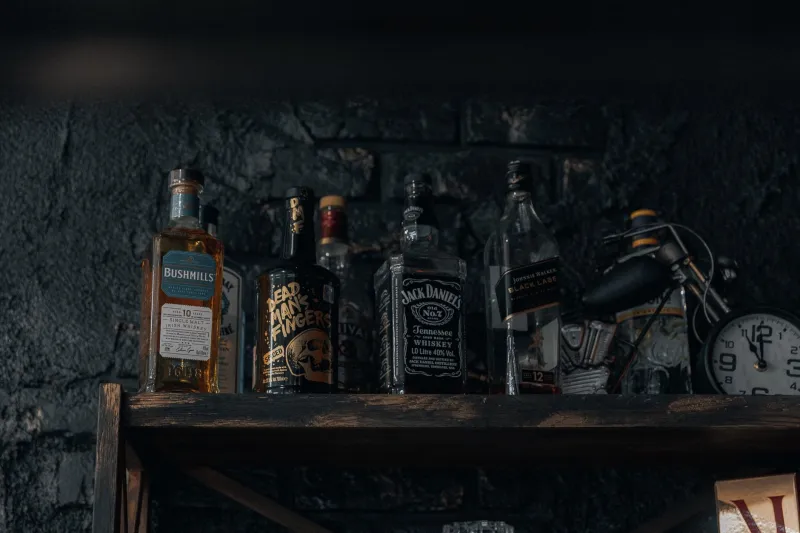
There's a certain kind of person who keeps a bottle of single-barrel bourbon on the same shelf where they park their helmet. You know the type — or maybe you are the type. The garage isn't just a place to store a bike anymore. For a growing number of riders, it's a sanctuary, a social space, and increasingly, a serious home for craft beverage collections that deserve as much care and attention as the machines sitting next to them.
The problem? Motorcycles and premium spirits have different environmental needs, and a standard American garage — subject to brutal summer heat, damp winters, and the kind of temperature swings that can crack a leather seat or ruin a carefully aged whiskey — isn't built to protect either one by default. The good news is that retrofitting your space doesn't have to be a six-figure renovation. It just takes some planning, a few smart upgrades, and a clear sense of what you're protecting.
Know What You're Storing — And What It Needs
Before you start buying equipment, get honest about your collection. Are we talking about a couple cases of craft IPAs and a shelf of bourbon, or are you aging wine alongside a vintage Panhead that you've spent a decade restoring? The stakes — and the solutions — scale accordingly.
Craft beer generally does best stored between 38°F and 55°F depending on the style, with minimal light exposure and stable humidity. Wine is famously finicky: 55°F is the sweet spot, with relative humidity hovering around 60–70% to keep corks from drying out. Spirits like whiskey and tequila are more forgiving once bottled, but extreme heat can accelerate evaporation and mess with flavor over time, especially in bottles that aren't sealed perfectly. As a rule, anything above 75°F consistently is bad news for your bottles.
Your motorcycle, meanwhile, doesn't love moisture. Humidity creeping above 60–65% for extended periods invites rust on chrome, corrosion on electrical connections, and mold on leather seats. So yes, there's some tension there — but it's manageable.
Climate Control: The Foundation of a Dual-Purpose Space
The single most impactful upgrade you can make is a dedicated mini-split HVAC system. Unlike window units or central air extensions, a mini-split lets you dial in a precise temperature range year-round without the moisture problems that come with some portable units. For a two-car garage running double duty as a bike cave and cellar space, a 12,000–18,000 BTU unit is usually sufficient, though larger spaces or hotter climates (looking at you, Arizona and Texas) may need more muscle.
If you're serious about wine storage, consider carving out a dedicated corner or closet within the garage and insulating it separately. A small wine fridge or a purpose-built cellar insert can maintain the tighter temperature and humidity range wine demands, while the broader garage stays at a comfortable 65–68°F — good enough for spirits and bike storage alike.
For humidity control, a quality dehumidifier with a built-in humidistat is worth every penny. Set it to maintain 50–55% relative humidity across the main garage floor. That keeps chrome happy, discourages rust, and won't dry out your corks if your bottles are stored in a separate, slightly more humid zone.
Ventilation and Airflow — Don't Overlook the Basics
Garages accumulate fumes. Gasoline, oil, cleaning solvents — none of that is something you want drifting toward your wine rack. Good airflow isn't just about temperature; it's about keeping your collection away from volatile compounds that can permeate corks and influence flavor over time.
Install a dedicated exhaust fan on an exterior wall, ideally positioned low and away from your storage area. Run your bikes outside before doing any extended engine work, and make sure any fuel storage is sealed and separated from your cellar zone. A few bucks spent on proper ventilation now saves you from wondering why your pinot noir tastes like a carburetor.
Smart Storage Layouts That Actually Work
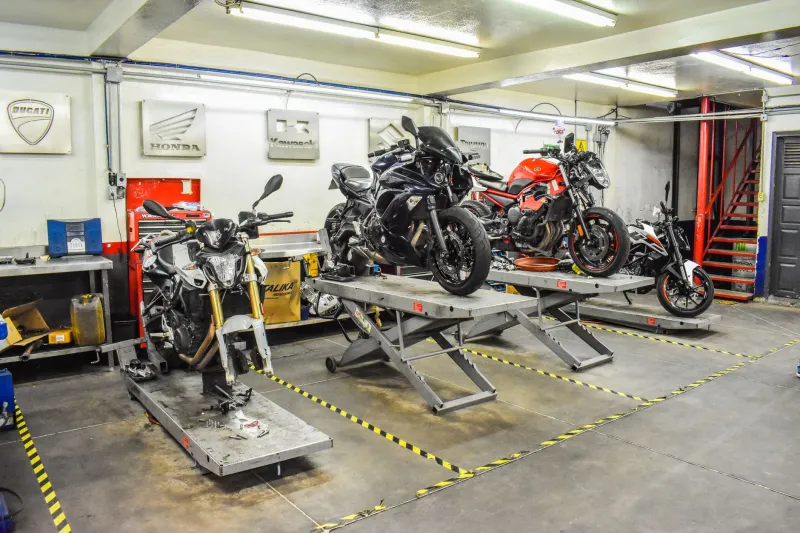
Space is the real puzzle in most residential garages, and the best solutions treat vertical real estate as seriously as floor space. Wall-mounted bike lifts or ceiling hoists free up the floor for storage furniture, workbenches, and the kind of modular shelving systems — think Gladiator, Husky, or custom steel racking — that can handle both tool storage and bottle display.
A popular layout among enthusiasts: keep the bikes centered on the floor (or lifted when not in use), run a deep workbench along one wall with tool storage above, and dedicate the opposite wall to a combination of open shelving for spirits display and a small refrigeration unit for beer and white wine. LED strip lighting under the shelves adds ambiance without generating the UV light that degrades wine and some spirits.
For premium collections, lockable display cabinets pull double duty — they protect your bottles from dust and curious hands, and they look sharp as hell when you've got guests over after a Sunday ride.
Security: Protect Everything in That Room
A garage housing a vintage motorcycle and a curated spirits collection is, frankly, a target. Don't be naive about it. A solid security setup doesn't have to be elaborate, but it should be layered.
Start with a quality garage door — a reinforced steel door with a deadbolt-style locking system is a meaningful upgrade over a basic sectional door. Add a monitored alarm system with door and motion sensors, and tie it into your home security app so you get alerts in real time. A Wi-Fi-enabled camera pointed at the door and your storage area gives you eyes on the space from anywhere. For especially valuable bottles or bikes, a secondary interior lock — a steel cage, a locked cabinet, or a floor-bolted safe — adds another layer without being paranoid.
Some riders have also started using smart locks on interior storage areas, which lets them grant temporary access to houseguests or riding buddies without handing over a physical key.
The Vibe Matters Too
Look, this is still your space — and it should feel like it. The best dual-purpose garages we've seen aren't clinical storage facilities. They've got a bar cart in the corner, a vintage sign on the wall, a Bluetooth speaker mounted near the workbench, and enough seating for four or five people to crack open something cold after a long Saturday in the saddle.
The climate control, the security, the smart storage — all of that is infrastructure. The soul of the space comes from the stuff on the shelves and the machines on the floor. Build it right, and your garage stops being a parking spot and starts being the best room in your house.
And honestly? That's exactly what it should be.