Keepers of the Craft: Why Vintage Bike Restorers and Small-Batch Makers Speak the Same Language
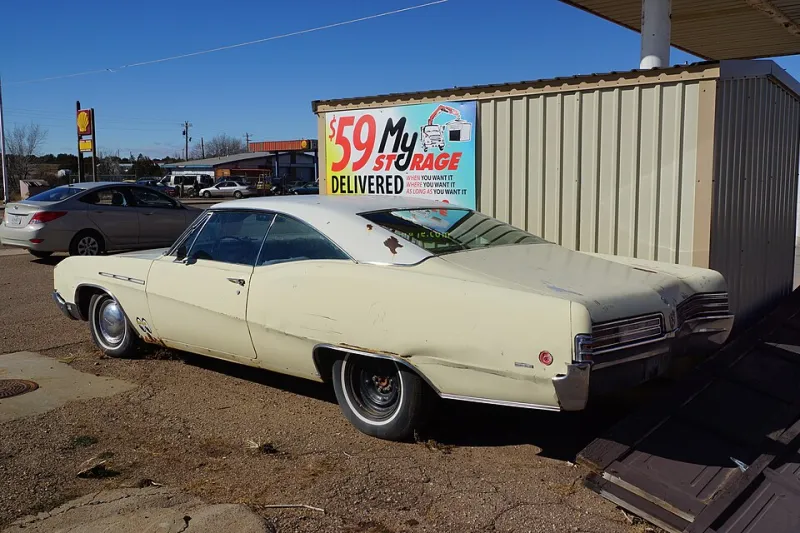
Photo: Greg Gjerdingen from Willmar, USA, CC BY 2.0, via Wikimedia Commons
There's a specific kind of stubbornness that runs through certain people. You recognize it in the way they talk about their work — slow, precise, a little defensive when you suggest there might be a faster way. It's not arrogance. It's closer to devotion.
You'll find it in the garage of a man in Knoxville who's been rebuilding a 1952 Indian Chief for the better part of three years. You'll find it in the rickhouse of a woman in central Kentucky who checks her barrels every week and won't rush a single one of them. Different rooms, different smells, different tools. But if you put these two people in a conversation, they'd be finishing each other's sentences inside of twenty minutes.
What Restoration Actually Means
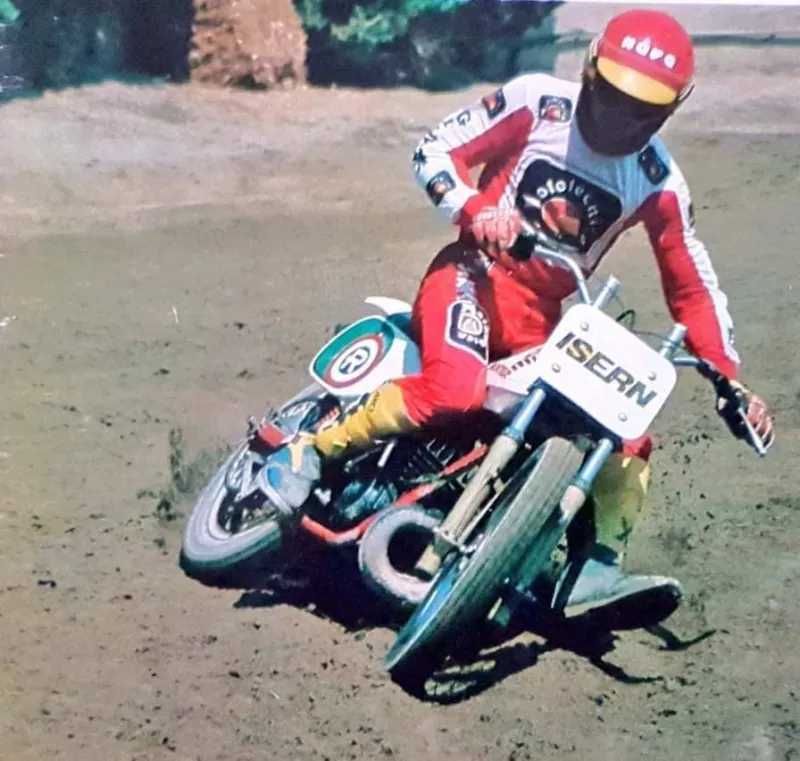
Ask Danny Ruiz — a motorcycle mechanic and restorer out of Albuquerque, New Mexico — why he doesn't just use reproduction parts when originals are unavailable, and he'll look at you like you suggested something mildly offensive.
"Because the bike knows," he says, only half joking. "You can feel the difference in how it rides. The balance is off. Something in the geometry that the reproduction didn't quite nail. A rider who knows that machine can tell."
Danny has been restoring pre-1970 American and British iron for nineteen years. He works mostly alone, out of a garage that smells like penetrating oil and old rubber. His waiting list is two years long. He turns down work regularly — not because he's precious about it, but because taking on too much would mean rushing, and rushing is the one thing he won't do.
"Restoration is stewardship," he says. "That bike existed before me. It'll exist after me if I do this right. My job is to not screw that up."
The word stewardship comes up again, unprompted, about two hours later in a completely different conversation.
The Distiller Who Won't Be Rushed
Margaret Hollis runs a small operation in the hill country outside Fredericksburg, Texas. She makes rye whiskey and a single malt she's been developing for six years. Her annual output is modest by any commercial standard. She's had offers from larger distributors. She's declined them all.
"The moment I start making decisions based on someone else's timeline," she says, "I'm not making whiskey anymore. I'm managing inventory."
Margaret came to distilling from a background in food science, but she talks about her craft the way a craftsperson talks, not a scientist. She describes her mash bills the way Danny describes a matching set of original engine cases — as something specific, irreplaceable, worth protecting from compromise.
"There's a lot of pressure in this industry to scale," she says. "To standardize. To make something consistent enough that it can be reproduced at volume. And I understand the economics of that. But once you go down that road, you've given something up. You've traded character for consistency."
She pauses. "I don't think that's a trade worth making."
Rejecting the Shortcut as a Philosophy
What Danny and Margaret share isn't just patience. It's a specific philosophical orientation toward their materials and their traditions. Both of them see themselves as links in a chain — inheritors of methods that predate them and custodians of something that needs protecting from the pressures of efficiency and scale.
This isn't nostalgia, exactly. Neither of them is interested in doing things the old way simply because it's old. Danny uses modern diagnostic tools and contemporary metal treatment products when they're genuinely better. Margaret uses precise temperature control and modern sanitation practices that her grandparents' generation didn't have access to.
The distinction they both draw is between tools and philosophy. Modern tools, fine. Modern philosophy — the one that says faster is better, that volume is the measure of success, that consistency should trump character — that's where both of them get off the train.
"The shortcut always costs you something," Danny says. "Sometimes it costs you authenticity. Sometimes it costs you structural integrity. Sometimes it costs you both. And the thing about shortcuts is, you don't always find out right away. You find out two years later when something fails that shouldn't have failed."
Margaret could have said the same thing about a barrel that was pulled too early.
The Loyalty That Follows
Both communities — vintage restoration enthusiasts and craft beverage devotees — are known for the intensity of their loyalty. And that loyalty isn't incidental. It's a direct response to the philosophy.
When riders know that a restorer won't cut corners, they trust the machine that comes out of that garage. When drinkers know that a distiller won't rush a product to market, they trust what's in the bottle. That trust compounds over time into something that looks like community — the kind of loyalty that doesn't require a marketing budget to sustain.
"My customers find me by word of mouth," Danny says. "Always have. Someone rides a bike I restored, someone asks who did the work. That's it. That's the whole marketing strategy."
Margaret nods when she hears this secondhand. "Same. If the work is honest, the audience finds you. It just takes longer than people want it to."
The Thing They're Actually Protecting
At the core of both worlds is something harder to name than technique or tradition. It's closer to an argument — a quiet, persistent argument against the idea that everything should be optimized, scaled, and made available to everyone at the lowest possible price.
The vintage bike restorer and the small-batch distiller are both making a case that some things are worth doing slowly. That character requires time. That the object or the liquid that comes out of a process done with full attention and no shortcuts carries something in it that the mass-produced version simply cannot replicate.
You can feel it when you ride a properly restored machine. You can taste it in a whiskey that was given the years it needed.
Some things don't have a workaround. The keepers of the craft know this. And they're not interested in pretending otherwise.