Mind Your Manners: A Rider's Survival Guide to Tasting Rooms, Tap Rooms, and Everything In Between
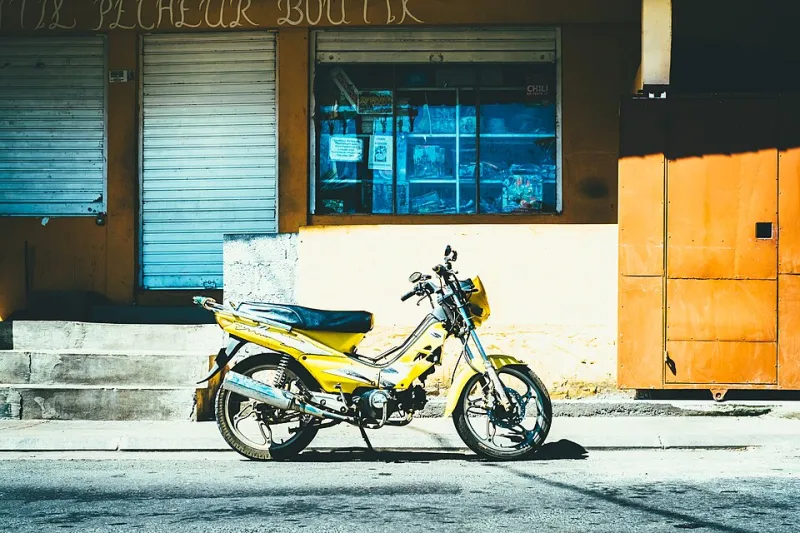
Photo: Simson Petrol simson_petrol, CC0, via Wikimedia Commons
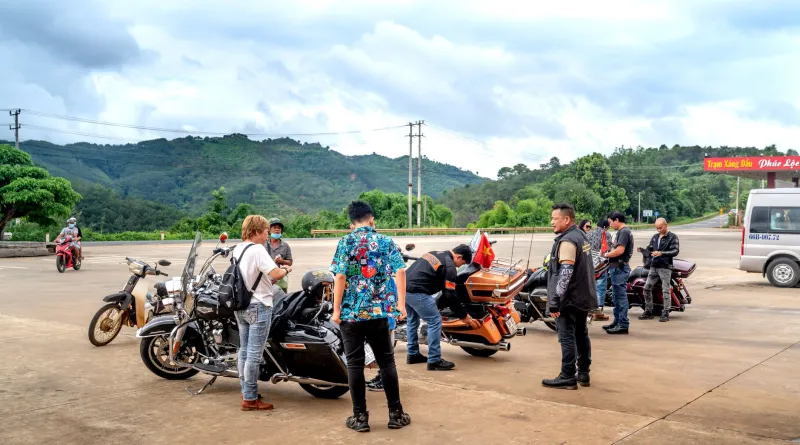
Let's set the scene. You've just finished a genuinely excellent stretch of road — maybe a canyon run, maybe a long blacktop through farm country, maybe something with enough elevation change that your brakes are still warm. You've spotted a craft distillery sign, maybe one you'd bookmarked months ago, maybe one that appeared out of nowhere and seemed like fate. You pull in, park the bike, pull off your helmet, and walk through the front door.
And then you stand there, slightly unsure of yourself, because the vibe in this place is... not exactly a biker bar. There are flight boards. There's a chalkboard menu with a lot of words you don't immediately recognize. The person behind the counter is wearing a vest that says "Head Distiller" and looks like they have opinions.
This guide is for that moment. Consider it your pre-flight checklist for the other half of the Bikes & Barrels equation.
First: Understand What Kind of Place You're Walking Into
This sounds obvious, but it's worth saying out loud: a craft tasting room and a roadside biker bar are different venues with different social contracts. Neither is better than the other — they serve different purposes and different moods — but walking into one expecting the atmosphere of the other is how misunderstandings happen.
A craft tasting room is, at its core, a place built around education and appreciation. The people who run it have usually spent years developing their product and they genuinely care whether you understand what you're drinking. They're not trying to be precious about it — most craft makers are remarkably down to earth — but they do have context to share, and the experience is better when you let them share it.
A tap room at a small craft brewery tends to be a bit more casual than a distillery tasting room, but the same basic principle applies. These aren't just places to get a drink. They're places to experience something someone made with their hands. Come in with that in mind and you're already ahead.
The Gear Question
Wear your riding gear in. Nobody cares, and anyone who gives you side-eye for walking into a tasting room in a jacket and boots has their priorities wrong. That said, a few practical notes:
Leather creaks when you sit down. If you're in a quiet, intimate tasting room where someone is walking you through a flight of single-malt whiskey, it might be worth shrugging out of the jacket and draping it over the back of your chair. Your call.
Helmets take up an enormous amount of counter space. Hold it, put it on the floor by your feet, or ask if there's somewhere to set it. Don't just park it on the tasting bar and knock over someone's glassware.
Boots are fine. Chaps are fine. Full leathers are fine. You're a rider. You look like a rider. Nobody at a good craft beverage destination is going to make you feel unwelcome for it — and if they do, that's information about them, not about you.
How to Do a Tasting Without Embarrassing Yourself
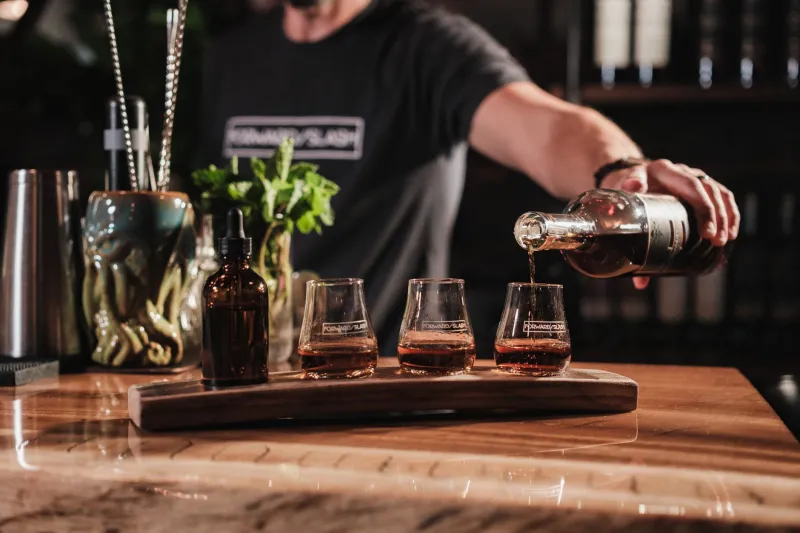
Tastings at distilleries, in particular, follow a loose protocol that's worth understanding before your first one. You'll typically receive small pours — usually a half-ounce to an ounce — of several different expressions. The server or distiller will walk you through what you're drinking, what distinguishes each one, and how to taste it.
Actually smell it first. This isn't performative. Aroma accounts for the majority of flavor perception. Take a moment with your nose before you take a sip. You don't need to describe it out loud in full sentences — just pay attention.
Sip slowly. Especially with higher-proof spirits. You're not doing a shot. You're evaluating something. Let it sit on your palate for a second before you swallow.
It's okay to not like something. Good distillers and brewers genuinely appreciate honest reactions. "This isn't quite my style" is a fine thing to say. It gives them useful information and opens a conversation. "This is terrible" delivered with a grimace is less useful.
Ask questions. What's the mash bill? How long did it age? What's the water source? These aren't pretentious questions — they're the right questions. Craft makers love talking about their process. Let them.
Don't Be the Stereotype
Here's the thing nobody wants to say but everybody is thinking: there's a version of the loud, demanding, "I know more about drinking than you do" customer that exists in every tasting room's nightmare file. Don't be that person. The fact that you ride a motorcycle has absolutely zero bearing on your authority as a beverage consumer.
Come in curious, not performative. The goal isn't to impress the distiller with how much you know about whiskey. The goal is to drink something good and learn something.
Also — and this bears saying — don't haggle over prices. Craft spirits and beers are priced the way they are because small-batch production is expensive. You understand this intuitively if you've ever priced out quality motorcycle parts. A $12 tasting flight isn't a rip-off. It's the cost of experiencing something made in small quantities by skilled people who care about the outcome.
Building Real Relationships With Makers
This is the part that most riders, once they get it, absolutely love. The craft beverage world is small. The people who make things are usually right there — behind the bar, walking the floor, or sitting at the end of the counter with their own glass. This is not the case at a brewery owned by a multinational conglomerate.
If you find a distillery or brewery you genuinely love, tell them. Come back. Bring friends. Buy a bottle to take home. Sign up for their mailing list if they have one. Join the bottle club if it exists.
Small makers live and die by word of mouth, and the motorcycle community is one of the most powerful word-of-mouth networks on the planet. A distillery that gets embraced by a local riding club can go from a weekend curiosity to a regional destination inside of a single season. That's real impact, and it comes from riders who treat the relationship like a relationship rather than a transaction.
The Drinking and Riding Conversation
We'd be doing you a disservice if we didn't say the obvious thing plainly: the whole point of a tasting is to taste, not to get drunk. Most distillery flights and brewery samplers are designed to be consumed responsibly over the course of an hour or two. They're not designed to be hammered in sequence.
If you're riding out afterward, pace yourself accordingly. Have a meal. Drink water. Give yourself time. The road will still be there. The craft beverage world has absolutely no interest in sending you out on two wheels in anything less than full command of your faculties — and neither do we.
The best version of the Bikes & Barrels life isn't about drinking more. It's about drinking better, in good company, with the kind of intention you bring to every other part of your ride.
The Short Version
Be curious. Be respectful. Ask questions. Don't be loud. Tip well. Come back. Tell your crew.
That's it. That's the whole guide.
Now go find something worth drinking.