One Helmet, One Barstool: Navigating Community Without Losing Yourself
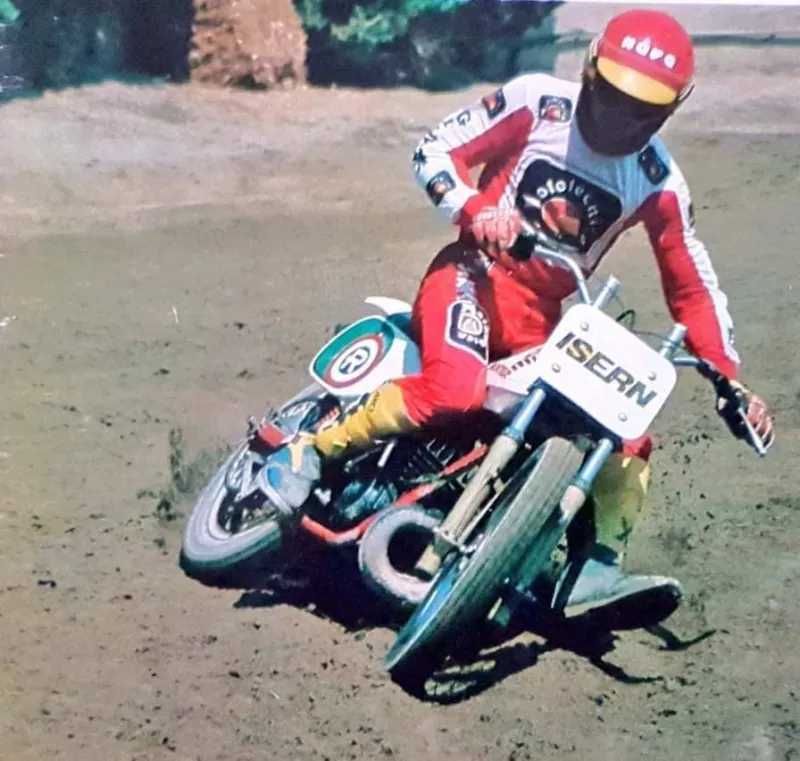
Photo: Montesita, CC BY-SA 4.0, via Wikimedia Commons
You spend eight hours alone on the road. Just you, the bike, the wind, and whatever's playing in your head. No meetings. No notifications. No one asking anything of you. It's the closest thing to actual freedom most of us will ever experience.
Then you park. You pull off your helmet. And you walk into a taproom where twelve strangers are mid-conversation, the bartender is already looking at you, and suddenly the thing that felt so simple out there on the highway feels complicated in ways that are hard to explain.
This tension — between the fierce independence that draws people to motorcycles and the genuine human need for connection that craft bars seem to offer — is one of the quieter paradoxes in rider culture. And it's worth talking about honestly.
The Mythology of the Lone Rider
American motorcycle culture has always romanticized the solitary figure. The lone wolf on the open road is baked into the iconography — from Brando in The Wild One to every solo cross-country Instagram account you've followed in the last decade. And there's real truth in it. A lot of riders genuinely prefer their own company. The road is, in part, a way of getting some.
But the mythology sometimes works against riders who want connection without knowing quite how to ask for it. If you've spent years identifying with the independent archetype, walking into a social space and wanting to belong can feel like a betrayal of something. Like you're supposed to prefer the solitude.
You're not. Both things can be true at once. The ride is for you. The pour at the end of it can be shared.
Why Taprooms and Craft Bars Work for Riders (When They Work)
Craft beverage spaces — taprooms, tasting rooms, cocktail bars with genuine programs — have a structural advantage over other social environments when it comes to ease of entry for solo visitors. There's a built-in conversation starter on the menu. The bartender has a job that includes talking to you. The product itself — what's in the glass, how it was made, where the hops came from, what the grain bill looks like — is a neutral subject that can carry a conversation without requiring anyone to reveal anything personal.
For riders who are comfortable talking about mechanical things, this is familiar territory. The conversation about a barrel-aged stout and the conversation about a restored carburetor have the same shape. Both are about process, patience, and the particular satisfaction of understanding how something works.
That common shape is a door. Most riders just need someone to point it out.
The Gender Dimension Nobody Wants to Talk About
Here's the honest part. Both motorcycle culture and craft beverage culture have historically been coded masculine in ways that create real friction for women, non-binary riders, and anyone who doesn't fit the default image of who's supposed to be in the room.
Women who ride know the experience of pulling up to a group and having their bike questioned before their presence is acknowledged. Women who drink craft beer or whiskey know the experience of being handed a lighter, fruitier option before they've said a word about what they actually want. Both are versions of the same problem: a community that says it's for everyone but defaults to a specific someone.
The good news is that both industries are in active conversation about this, with varying degrees of success. Motorcycle manufacturers have started designing bikes that fit a wider range of body types. Craft producers — particularly in brewing — have made genuine efforts to diversify their teams and their marketing. Women-led distilleries and breweries are growing in number and visibility.
The better news: the riders and drinkers who are doing the work of building more inclusive spaces tend to be the most interesting people in the room. Seek them out. They're usually at the bar.
Practical Advice for the Solo Rider Walking In Cold
If you're someone who struggles with the social geometry of walking into a bar alone — especially in a new town after a long day in the saddle — a few things that actually help:
Sit at the bar, not a table. This sounds obvious but it changes everything. A table signals that you're waiting for someone or that you want to be left alone. A barstool signals that you're available for conversation without demanding it.
Ask about the process, not just the product. "What's your house IPA?" is fine. "What hops are you working with right now?" opens a door. Craft producers love talking about their work. Give them the opening.
Wear something that tells your story. Your jacket, your gloves tucked in your pocket, your helmet on the bar — these are social signals that communicate who you are before you say a word. Riders recognize riders. It's one of the fastest ways a solo person gets absorbed into a conversation.
Don't perform. You don't have to be the interesting stranger. You don't have to have a great road story ready. Sometimes the best thing you can do is ask a genuine question and listen to the answer. Genuine curiosity is more magnetic than any persona.
Know when to leave. The independence that makes you a good rider also gives you permission to end a conversation or leave a space when it's not working. You don't owe anyone your continued presence. The bike is right outside.
The Paradox Isn't Actually a Problem
The tension between wanting solitude and wanting connection isn't a contradiction to be resolved. It's a rhythm to be managed. Riders who've figured this out will tell you that the solo ride and the shared pour aren't opposites — they're complementary. The road gives you something to bring to the bar. The bar gives you something to take back to the road.
The community you find in a craft taproom after a day of riding alone is a different kind of community than you'd find any other way. It's chosen, low-pressure, and built on the common language of things made with care and consumed with attention.
That's a pretty good foundation for a tribe.
Ride out alone if you need to. But don't be too proud to pull up a stool when you get there.