Sleep Here, Ride There, Sip Everything: The Moto Lodge Movement Is Rewriting the American Road Trip
For most of motorcycle history, the overnight options fell into two uncomfortable categories: chain motels with suspicious carpet, or camping spots that required hauling half your kitchen on the back of your bike. Neither one exactly screamed destination. But something has been quietly shifting across rural America over the last several years, and if you haven't noticed it yet, you will soon.
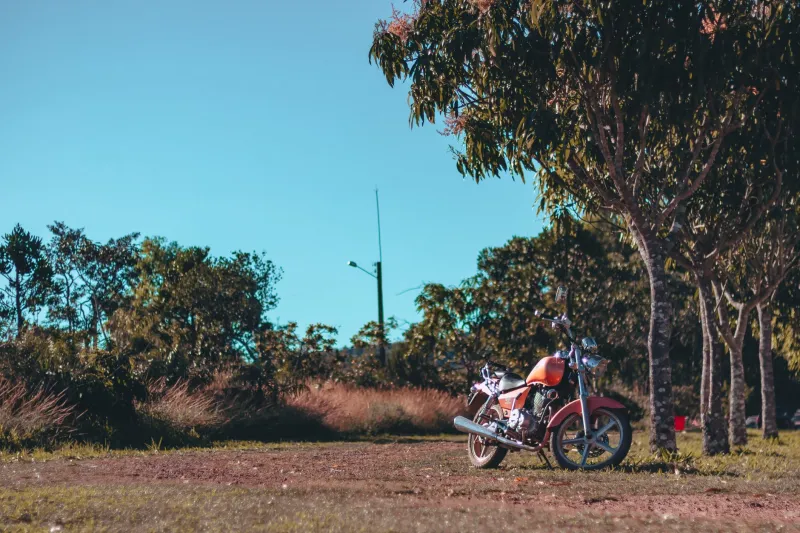
Call it the moto lodge movement. From converted tobacco barns in the Virginia foothills to purpose-built compounds along the Tennessee-North Carolina border, a new class of hospitality venue is emerging — one that treats motorcycle culture not as an afterthought but as the entire organizing principle. These places are built around riders, designed for riders, and increasingly, they're pouring for riders in ways that would make any craft beverage enthusiast stop mid-sip and reconsider their weekend plans.
More Than a Place to Park It
The difference between a moto lodge and a regular inn that happens to have a gravel lot is enormous. The former is intentional. Think heated, secure garage bays instead of exposed parking. Think tool stations, tire inflation setups, and on-call mechanical support for guests who blow something out on a mountain pass. Think route maps curated by staff who actually ride, not printed off Google Maps by someone who drives a Prius.
And then — crucially — think about what's waiting when you roll back in at golden hour.
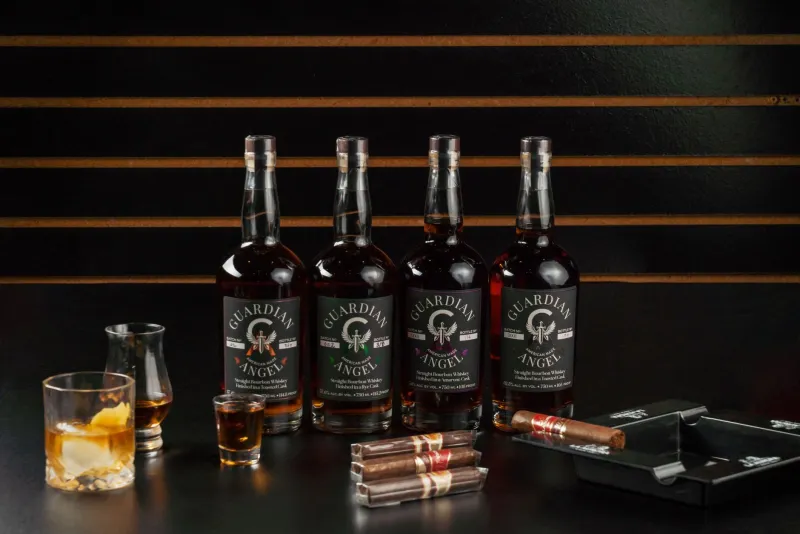
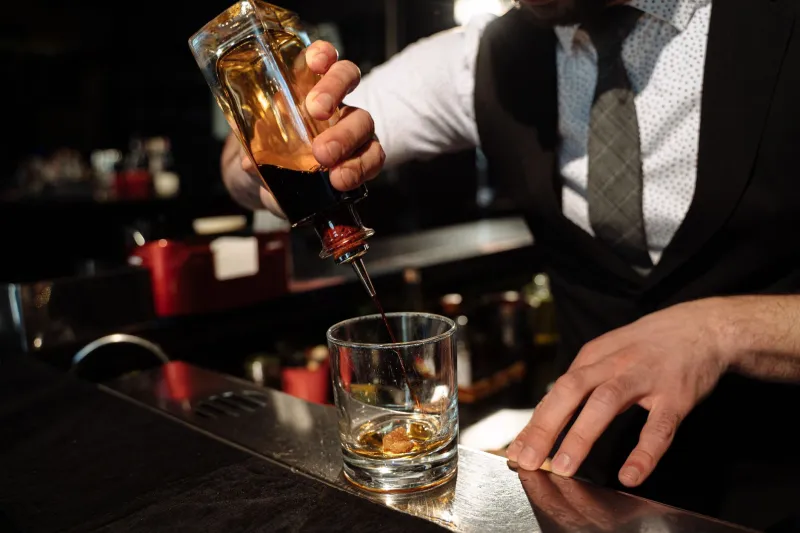
At properties like the kinds emerging in places such as the Ozarks, the Blue Ridge corridor, and the high desert of New Mexico, the beverage program isn't a hotel bar with well liquor and a dusty wine list. These venues are investing heavily in craft experiences: on-site microbreweries, partnership distilleries producing small-batch whiskey or agave spirits under the same roof, or meticulously curated tap rooms showcasing regional producers from within a hundred miles.
The philosophy is straightforward. You spend the day doing what you love on roads that reward the effort. You come back to something that respects that same commitment to craft.
The Entrepreneurs Behind the Concept
The people building these places tend to share a particular biography. They rode for years, traveled extensively, stayed in places that disappointed them repeatedly, and eventually decided to build the venue they'd always wanted. Many have backgrounds in hospitality, food and beverage, or real estate — but the motorcycle component is never incidental. It's the foundation.
One pattern that keeps appearing in this space is the conversion play: taking an existing rural property — a farmstead, a decommissioned mill, a sprawling hunting lodge — and retrofitting it with rider-specific infrastructure while layering in a serious beverage operation. The bones of old American working properties translate surprisingly well. High ceilings become ideal for garage bays. Outbuildings become tap rooms. Acreage becomes staging areas for group ride departures at dawn.
The economics are interesting, too. These ventures typically operate on a hybrid model: lodging revenue, beverage sales, event hosting (think guided multi-day ride packages, private buyouts for riding clubs, distillery collaboration weekends), and increasingly, merchandise. The rider demographic skews toward adults with disposable income and a strong preference for spending it on experiences rather than things — which makes them an ideal hospitality customer when the experience is dialed in.
Designing for the Culture
Walk into one of these properties and you can feel the intentionality immediately. The aesthetic borrows from motorcycle culture without tipping into cliché. You're not looking at chrome skulls and faded Route 66 signage. You're looking at clean industrial design, reclaimed wood, leather seating that looks like it was chosen by someone who actually owns a good saddle. Vintage bikes displayed as art rather than kitsch. A tap list chalked on a board next to a topographic map of the best riding within fifty miles.
The beverage programs at the best of these properties reflect the same care. A lodge in the southern Appalachians might feature a rotating selection of local craft lagers brewed on-site alongside a whiskey program that sources barrels from nearby distilleries, offering guests a tasting experience rooted in the specific landscape they just rode through. That connection — between terrain, terroir, and taste — is something these operators talk about constantly.
It mirrors, in many ways, the wine country destination model that transformed Napa, Sonoma, and later the Willamette Valley into travel anchors. The difference is the rider is the customer, the road is the attraction, and the craft beverage is the reward at the end of it.
Community Ripple Effects
These properties don't exist in isolation. When a moto lodge opens in a small rural community, the effects tend to radiate outward. Local craft producers gain a captive, enthusiastic audience. Nearby restaurants and fuel stops see increased traffic. Regional riding routes get documented, maintained, and shared more actively. In some cases, the arrival of a destination property has catalyzed broader tourism infrastructure investment in communities that needed an economic anchor.
There's also a social dimension worth noting. Riders who might never cross paths in their day-to-day lives — different bikes, different backgrounds, different home states — end up sharing a fire pit, comparing notes on the day's roads, and pouring from the same bottle. The moto lodge, at its best, functions as a third place for the riding community: not home, not the open road, but somewhere between the two that carries the best qualities of both.
What's Coming Next
The movement is still early. The number of properties that genuinely nail the full concept — premium riding infrastructure, serious craft beverage programming, thoughtful design, and authentic community feel — remains relatively small. But the interest is unmistakably growing. Riders are increasingly building their travel calendars around these destinations rather than treating them as convenient stops. Social media has accelerated discovery significantly, with word spreading fast when a new property opens and delivers.
If the trajectory holds, the next five years could see moto lodges become as recognizable a category as ski lodges or surf camps — a specific type of destination that speaks directly to a specific kind of traveler. The kind who rides hard, expects quality when they stop, and has no patience for experiences that don't take the culture seriously.
That sounds about right to us.