Same Crew, Different Craft: What Motorcycle Clubs and Distillery Teams Know About Building Something That Lasts
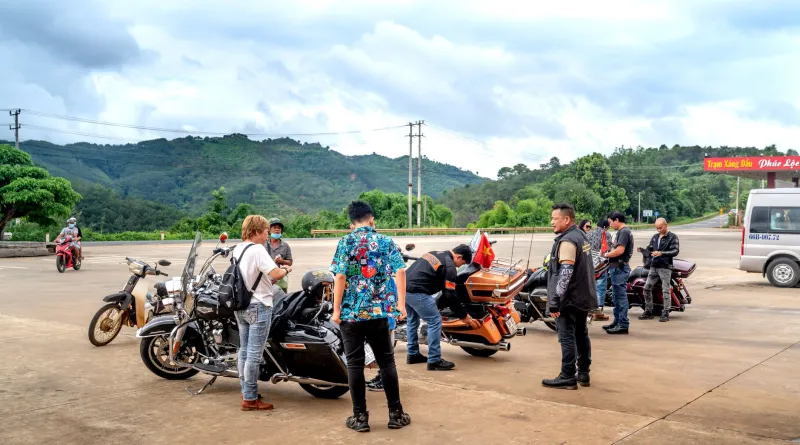
Walk into a well-run motorcycle club meeting and walk into a well-run distillery on the same day, and you might come home with the same feeling. Not the same smells, obviously—one's all leather and engine oil, the other's all yeast and white oak—but the same energy. The sense that you've stepped into a room full of people who take their roles seriously, respect the person next to them, and care deeply about the output of the whole operation.
That's not a coincidence. It's structure. And both worlds have figured out, often independently, that structure built on mentorship, specialization, and shared accountability produces something no org chart alone ever could.
The Hierarchy Isn't About Power—It's About Function
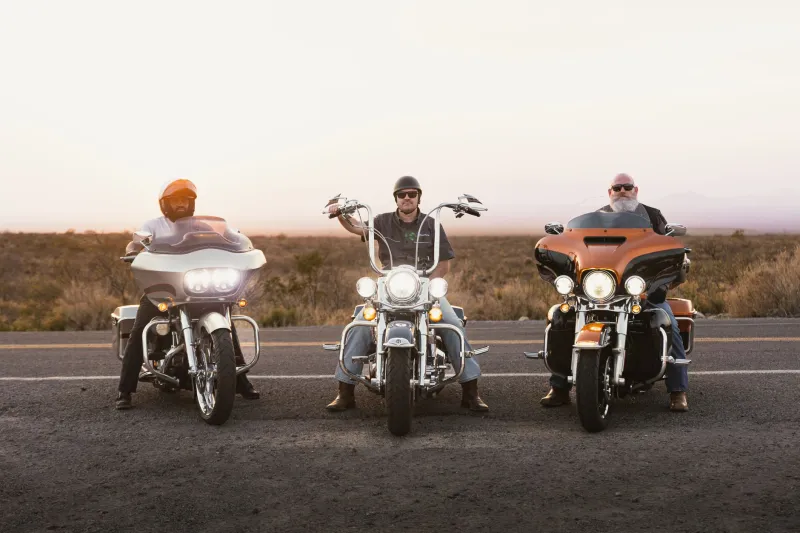
Outsiders sometimes look at a motorcycle club's chain of command and assume it's about ego. President, VP, Road Captain, Sergeant-at-Arms, Treasurer—it sounds almost militaristic. But anyone who's actually ridden with a serious club knows those titles exist because someone has to own each piece of the machine. When forty bikes are rolling through unfamiliar territory, the Road Captain isn't just leading because they like being in front. They've studied the route, accounted for fuel stops, and made judgment calls that keep everyone moving safely.
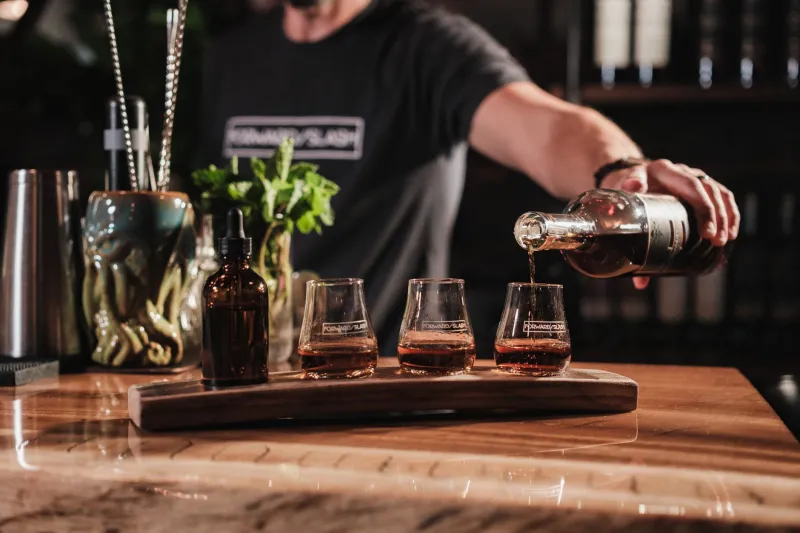
Distilleries work the same way. A head distiller doesn't just get the title because they've been there longest. They own the mash bill, the fermentation schedule, the barrel selection. The still operator runs the cuts with a precision that takes years to develop. The cellar master tracks what's aging, where, and for how long. Pull one of those people out and the whole timeline shifts.
In both environments, the hierarchy exists to distribute responsibility, not concentrate power. The best clubs and the best distilleries share that understanding at an almost instinctive level.
Mentorship Is the Transfer of Institutional Knowledge
Ask any longtime club member what they remember most about their early days, and the answer is almost never a ride. It's a person. The veteran who took the time to explain why you don't pass the Road Captain without a signal. The senior member who handed you a task nobody else wanted and then stood close enough to make sure you didn't blow it.
That's not babysitting. That's knowledge transfer—and craft distilleries run on exactly the same fuel.
At most small-batch operations, the head distiller came up under someone else. They spent years watching, asking questions, scrubbing tanks, and logging data before they ever had authority over a single barrel. The tradition of apprenticeship in distilling isn't nostalgic window dressing. It's practical. You can read every book ever written about fermentation and still not know what a stuck mash smells like until someone who's fixed a hundred of them walks you through it.
Motorcycle clubs that invest in their newer members the same way—deliberately, patiently, with real skin in the game—build rosters that don't fall apart when the founding generation steps back. The knowledge doesn't leave with the people. It stays in the club.
Quality Control Is Everyone's Job, Not Just the Inspector's
Here's where both worlds get genuinely obsessive, and honestly, that's a compliment.
In a distillery, quality control isn't a department. It's a mindset that every person on the floor carries with them. The grain delivery gets checked. The water chemistry gets tested. The fermentation gets monitored. The distillate gets nosed and tasted at every cut. And then the barrels get checked again—months or years later—to make sure what went in is becoming what it's supposed to become. One missed step anywhere in that chain and the batch is compromised.
Riding clubs operate with a similar kind of collective vigilance, even if they'd never use the phrase "quality control." Before a big run, bikes get inspected. Tire pressure, fluid levels, lights. Newer riders get pulled aside if their gear isn't right. The group doesn't roll until the group is ready—because one person's oversight becomes everyone's problem at highway speed.
The best clubs don't leave that culture to chance. They build it into the ritual of every ride, every meeting, every interaction. Just like the best distilleries build it into every step of production. The standard isn't something you enforce from the top down. It's something the whole crew enforces together, because they all care what comes out the other end.
Specialized Roles Create Collective Strength
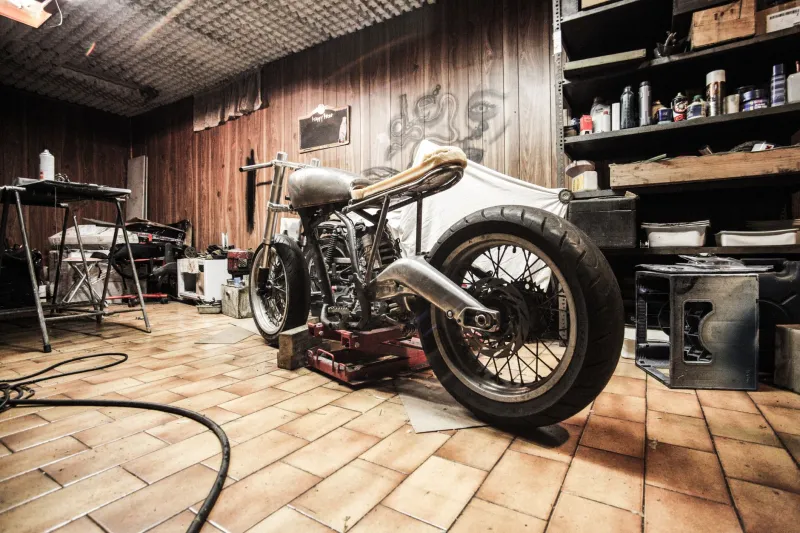
A motorcycle club where everyone does everything is a club where nothing gets done particularly well. The member who's great with engines should be the one other riders call when something sounds wrong. The one with a background in event planning should be running the annual rally, not learning on the job while someone else handles the route and someone else handles the permits.
Distilleries figured this out early. Grain sourcing, yeast propagation, distillation, barrel management, blending, bottling, quality assurance—these are not interchangeable skills. The people who do them well have often spent years getting good at that specific piece of the process. A great blender doesn't necessarily know how to run a still efficiently, and that's fine. The operation doesn't need them to. It needs them to be excellent at the thing they do.
Clubs that lean into their members' individual strengths—and give those strengths room to contribute meaningfully—end up with something more durable than a group of generalists trying to cover everything. They end up with a team.
Loyalty Is Earned Through Consistency, Not Ceremony
Patching in means something in motorcycle culture. So does the moment a craft distillery earns a regular customer who drives two hours to buy a bottle they can't get anywhere else. In both cases, the loyalty isn't built on a handshake or a label. It's built on showing up the same way, every time, and delivering on what you promised.
Clubs that maintain that consistency—in how they treat their members, how they show up for the community, how they handle conflict—build reputations that outlast any individual. Distilleries that stay true to their process, even when shortcuts are available and demand is high, build the kind of brand trust that no marketing budget can manufacture.
The parallels aren't perfect, and nobody's suggesting a Road Captain should start nosing fermentation samples or that a head distiller needs to take a patch. But the underlying principles—mentorship, specialization, shared accountability, earned loyalty—are the same regardless of whether your crew rides or distills.
And if yours happens to do both? You're probably doing just fine.