Your Taste Buds on Two Wheels: The Science Behind Why Post-Ride Drinks Hit Different
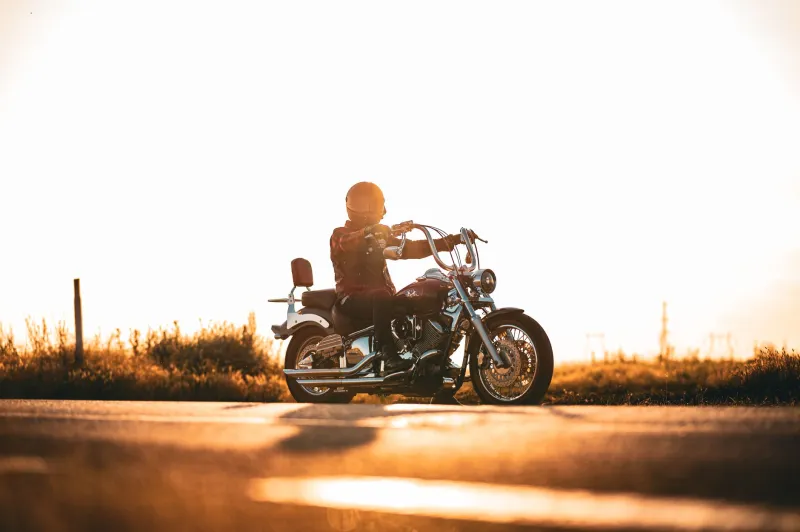
Anybody who's ever swung a leg over a bike and put real miles behind them knows the feeling. You kill the engine, pull off the helmet, and reach for whatever cold thing is closest — and it tastes extraordinary. Not just good. Not just refreshing. Genuinely, inexplicably extraordinary. Like your tongue got an upgrade somewhere around mile 200.
That's not nostalgia talking. That's physiology.
Adrenaline Is Messing With Your Mouth
When you're threading through mountain switchbacks or leaning hard into a canyon run, your sympathetic nervous system is running at full tilt. Adrenaline and norepinephrine flood your bloodstream. Heart rate climbs. Pupils dilate. Your body essentially boots into survival mode — and one of the quieter side effects is a measurable shift in sensory processing.
"Heightened arousal states genuinely alter how we perceive flavor," says Dr. Rachel Osei, a sensory neuroscientist based out of UC Davis who studies how emotional and physiological states interact with taste. "Adrenaline tends to suppress some of the background noise in the nervous system. When that state winds down, your sensory receptors can actually be more primed than they would be in a baseline, unstimulated condition."
In plain English: the comedown from a big ride doesn't just feel good. It physically opens up your palate.
There's also the dehydration factor. Extended riding — especially in summer heat or at highway speeds — pulls moisture out of your body faster than most riders realize. A slightly dehydrated palate is a more sensitive one. Saliva plays a critical buffering role in taste perception, and when its composition shifts, flavors that might otherwise blend into the background start to stand out.
What the Bartenders Already Knew
Some folks figured this out long before the scientists ran the studies.
Marcus Delray has been bartending at a moto-friendly roadhouse outside Asheville, North Carolina for going on eleven years. His clientele is almost exclusively riders, and he's made an informal study of what sells — and what lands — after a long day in the saddle.
"Bitter hits harder after a ride," he says, leaning on the bar with the casual authority of someone who's watched ten thousand first sips. "I don't know exactly why, but the guys who come in after six hours on the Parkway, they're not reaching for a light lager. They want something with edge. An aggressive IPA, a dry-hopped pale, a mezcal with smoke on it. The bold stuff."
He's not wrong, and science backs him up. Bitterness perception is mediated by a specific set of taste receptors that appear to become more responsive under conditions of physiological stress and recovery. The same compounds — isohumulones in hops, phenols in smoky spirits — that might feel overwhelming in a pre-ride tasting can register as perfectly calibrated post-ride.
The Craft Beverage Sweet Spot
So which drinks actually benefit from the post-ride effect? Here's a rough breakdown based on what riders, bartenders, and sensory researchers consistently point toward.
West Coast IPAs and Double IPAs — The resinous, piney bitterness that can feel aggressive in a calm tasting environment becomes almost meditative after a long haul. Your body's heightened sensitivity turns that bitterness into something complex and satisfying rather than sharp. Breweries like Firestone Walker, Russian River, and Dogfish Head make double IPAs that are genuinely transformed by the post-ride context.
High-Proof Bourbons and Rye Whiskeys — Anything in the 100-proof-and-above territory benefits from a palate that's been primed by adrenaline. The ethanol heat that might feel aggressive in a relaxed setting registers as warmth and depth after you've been in the wind. A cask-strength pour from something like Barrell Craft Spirits or a single barrel from a small Kentucky distillery? That's a post-ride pour, full stop.
Mezcal — The smoky, earthy complexity of a good mezcal — especially an unaged or lightly rested expression from Oaxaca — seems almost purpose-built for the post-ride moment. The phenolic compounds that create the smoke character align well with a nervous system in recovery mode. Sip it neat, slowly, and let it do its thing.
Dry, Tannic Ciders — Underrated and underordered, a bone-dry heritage cider with real tannin structure hits a different note after a ride than it would at a backyard barbecue. The astringency that can feel austere in other contexts becomes refreshing and textured. Look for craft producers like Virtue Cider out of Michigan or Angry Orchard's Cider House Collection for something worth seeking out.
What to Avoid — Interestingly, very sweet beverages tend to underperform post-ride. The heightened sensitivity that makes bitter and complex flavors sing can make sweetness feel cloying and one-dimensional. Save the dessert cocktails and fruit-forward sours for another occasion.
Timing Matters More Than You Think
Dr. Osei makes a point that's worth sitting with. "The window of enhanced sensory sensitivity doesn't last indefinitely. It's tied to the recovery arc — the period when your nervous system is transitioning from high arousal back to baseline. That's roughly the first thirty to ninety minutes after significant physical or psychological stimulation."
In other words, the magic window is real, and it's finite. That first drink after the ride isn't just symbolically special. It's chemically special. Dawdle too long and you're back to ordinary taste perception.
This is why the moto-bar ritual — helmet off, gloves on the bar, first pour in hand — isn't just a social habit. It's an almost biological imperative. Your body is telling you something. The smart move is to listen.
Ride Your Route, Drink Accordingly
One last thought from Marcus, delivered with the confidence of someone who's earned his opinions the hard way: "The ride shapes the drink. A technical, high-focus mountain road? Those guys want something with structure when they come in. A long, open highway cruise? They're more likely to ease into something sessionable, something they can nurse for a while."
He's describing something sensory scientists call "emotional flavor priming" — the idea that the psychological state of a ride doesn't just affect your body chemistry, it shapes your expectations and preferences. A demanding technical ride primes you for a demanding, complex drink. A meditative highway stretch opens you up to subtlety.
Pay attention to that. Plan your post-ride pour the same way you plan your route — with intention. Because the drink at the end of the road isn't just a reward. It's the last chapter of the same story your ride already started telling.
Ride hard. Drink well. And maybe, next time, take a beat before that first sip to notice just how alive your palate actually is.