Packed and Prepared: Building the Saddlebag Emergency Kit Every Serious Rider Actually Needs
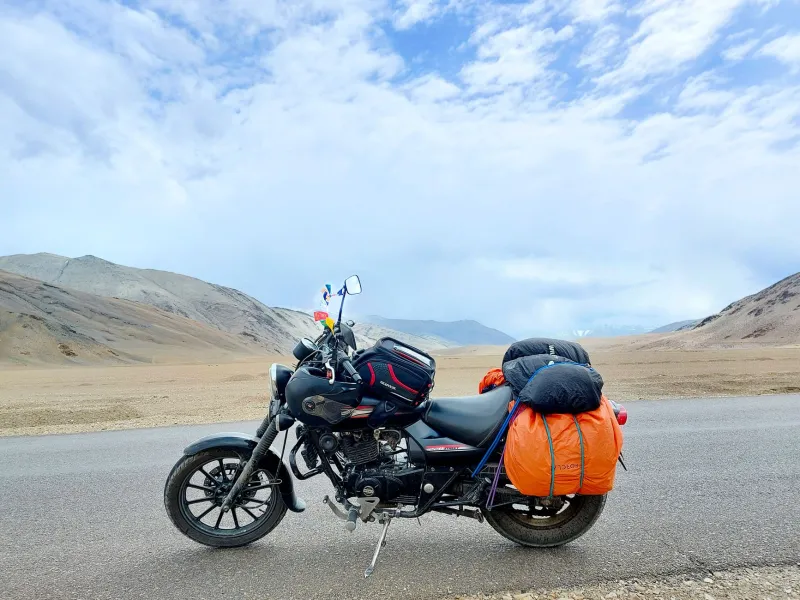
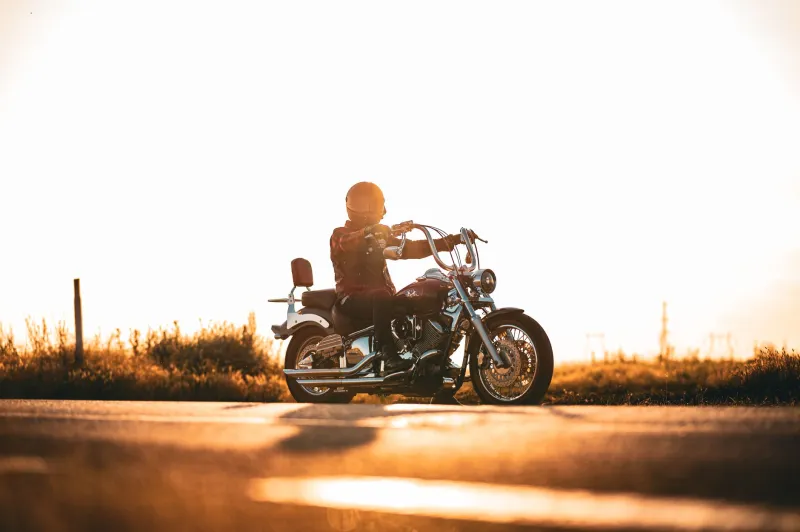
There's a moment on every serious long-haul ride when civilization quietly disappears in your mirrors. The gas stations get farther apart. The cell signal drops to one bar, then zero. The mountains start doing whatever they want with the weather. And somewhere out there between the last small town and the next one, it hits you: if something goes sideways right now, you're the first responder.
That's not a reason to stay home. That's a reason to be ready.
Building a proper saddlebag emergency kit isn't about paranoia — it's about the same mindset that makes a great craft distiller prep for every variable before a single drop hits the barrel. You control what you can, you account for what you can't, and you trust the process. Here's how to think about it.
Start With the Basics, Then Go Further
Most riders who bother with a first aid kit grab one of those flat plastic cases from a big box store and call it done. Those aren't useless, but they're built for picnics, not pavement. For the road, you need to customize.
The non-negotiables: nitrile gloves (at least two pairs), rolled gauze, adhesive bandages in multiple sizes, medical tape, an Israeli bandage or equivalent pressure dressing, antiseptic wipes, and a small pair of trauma shears. That last one matters — if you're dealing with road rash under riding gear, you need to cut fabric, not wrestle with zippers.
Add a mylar emergency blanket. They weigh almost nothing and pack smaller than a deck of cards, but they're the difference between manageable and dangerous if you're stranded in dropping temps. Toss in a quality multi-tool, a small flashlight, and a laminated card with your emergency contacts, blood type, and any medications you take regularly.
Now — and this is where most guides stop — think about the stuff that isn't bleeding.
Hydration Is a Medical Issue, Not Just a Comfort One
Dehydration on a motorcycle hits different than it does on a hike. You're losing moisture constantly through wind exposure, even in cool weather, and you're not getting the usual cues to drink because you're focused on the road. By the time you feel thirsty, you're already behind.
Severe dehydration causes muscle cramps, headaches, impaired judgment, and slower reaction times. On a bike, slower reaction times aren't inconvenient — they're dangerous.
Carry electrolyte packets. Not sugary sports drinks in cans, but actual electrolyte powder you can mix into water. Sodium, potassium, and magnesium are the big three your body burns through on a hard ride. Brands like LMNT or Liquid I.V. pack flat and light, and they genuinely work. Some riders swear by coconut water powder as a more natural option — it's not as concentrated, but it's a solid backup.
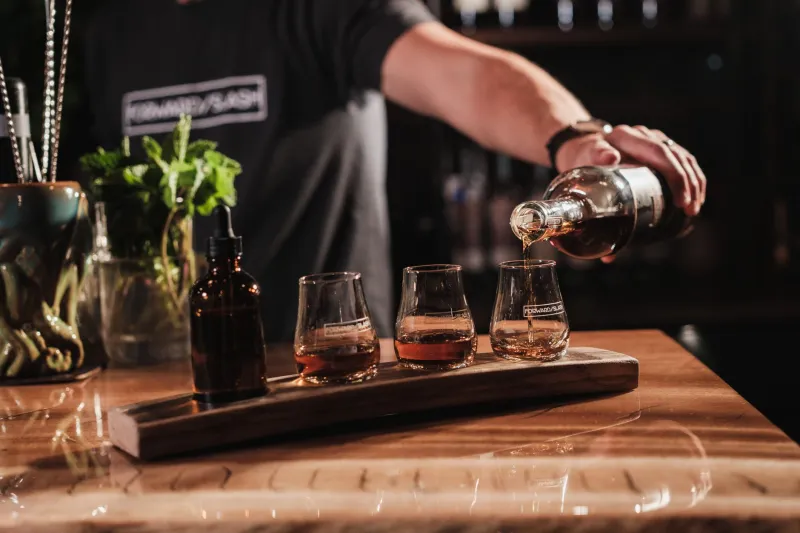
Here's where the Bikes & Barrels philosophy earns its keep: once you're safely off the bike and settled for the evening, a well-chosen craft beverage isn't just a reward — it's part of recovery. A quality wheat beer with its natural electrolytes, or a low-ABV session ale, can complement your rehydration routine in a way a mass-market lager simply doesn't. We've written about the science of post-ride drinks before, and the short version is this: what you sip matters as much as when you sip it.
Altitude, Weather, and Regional Variables
A saddlebag kit built for flat Texas backroads needs some adjustments before you take it through the Colorado Rockies or the North Cascades.
At elevation — anything above 6,000 feet — altitude sickness is a real possibility, especially if you ascended quickly. Symptoms include headache, nausea, and fatigue. Ibuprofen can help with the headache. Staying hydrated is critical. If you're planning high-altitude routes, talk to your doctor about acetazolamide (Diamox), which some riders use preventatively. Know the signs of acute mountain sickness and have a plan to descend if they appear.
For desert riding in the Southwest, add a higher-SPF sunscreen and consider a small bottle of aloe vera gel for sun exposure. Heat exhaustion is a bigger threat than most riders acknowledge — if you're riding in 100-degree heat across the Mojave, you should be drinking water every 30-45 minutes whether you're thirsty or not.
Pacific Northwest and Appalachian riders dealing with unpredictable cold and wet conditions should pack chemical hand warmers and a lightweight waterproof layer that compresses small. Hypothermia can sneak up on you in 50-degree rain faster than you'd expect.
Natural Remedies Worth Carrying
We asked a pharmacist who rides — she does a 10-day trip through the Ozarks every September — what she actually carries beyond standard first aid. Her list surprised us a little.
"Ginger chews," she said immediately. "If you're riding twisty mountain roads all day and you're prone to motion sickness or nausea, ginger works. It's not a placebo. The research backs it up."
She also carries arnica gel for bruising and muscle soreness — the kind of deep ache you get after a long day in the saddle — and magnesium supplements, which she takes at night to reduce muscle cramping and improve sleep quality on the road.
Activated charcoal capsules made her list too, as a backup for food poisoning situations when you're eating at unfamiliar roadside spots. "You're not always going to eat at the best places," she said. "Sometimes the sketchy diner is the only option for 60 miles. Activated charcoal buys you time."
One long-haul rider we spoke with — a guy who's done solo cross-country runs for the past 15 years — added liquid Benadryl to his kit after a bee sting incident in rural Montana. "I'm not severely allergic, but I swelled up bad. Now I carry that and an EpiPen I got from my doctor. Worth every penny of the conversation it took to get it."
Organize It Like You Mean It
Having the right supplies is only half the battle. If everything's loose in a bag and you're stressed and hurt, you'll waste precious minutes digging around.
Use a dedicated pouch or roll organizer inside your saddlebag, labeled clearly. Keep your most critical items — the pressure dressing, gloves, and emergency blanket — accessible without unpacking everything else. Some riders use a small dry bag inside the saddlebag to keep moisture out, especially for anything that can be ruined by rain.
Review your kit at the start of every season. Replace anything expired. Restock what you used. Adjust for wherever you're actually going that year.
The Mindset Is the Kit
Here's the thing about preparedness that doesn't get said enough: the act of building a solid emergency kit changes how you ride. You're thinking about variables. You're thinking about conditions, your body, the terrain ahead. That's the same headful of awareness that makes a great rider — and, honestly, the same mindset that goes into choosing a thoughtful post-ride pour instead of just grabbing whatever's closest.
Ride hard. Know what's in your bag. And when the day's done and you've made it to wherever you were going, drink something worth the miles it took to get there.