Slow Down to Go Further: What Long-Distance Riders and Craft Brewers Know About the Power of the Pause
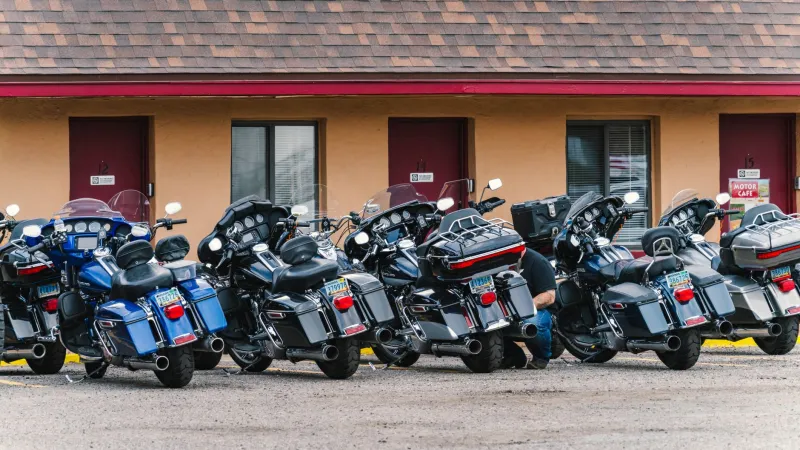
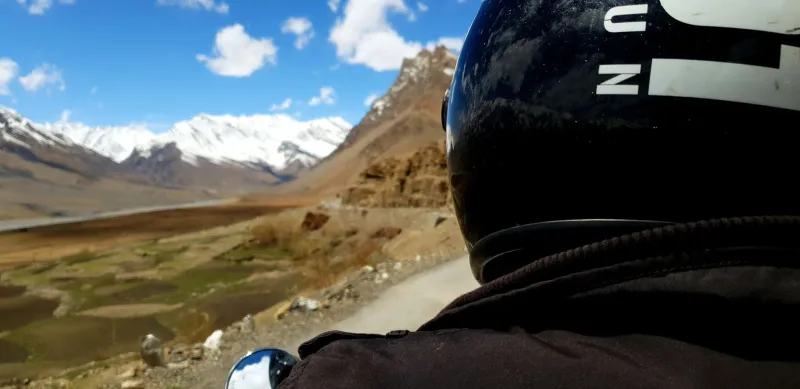
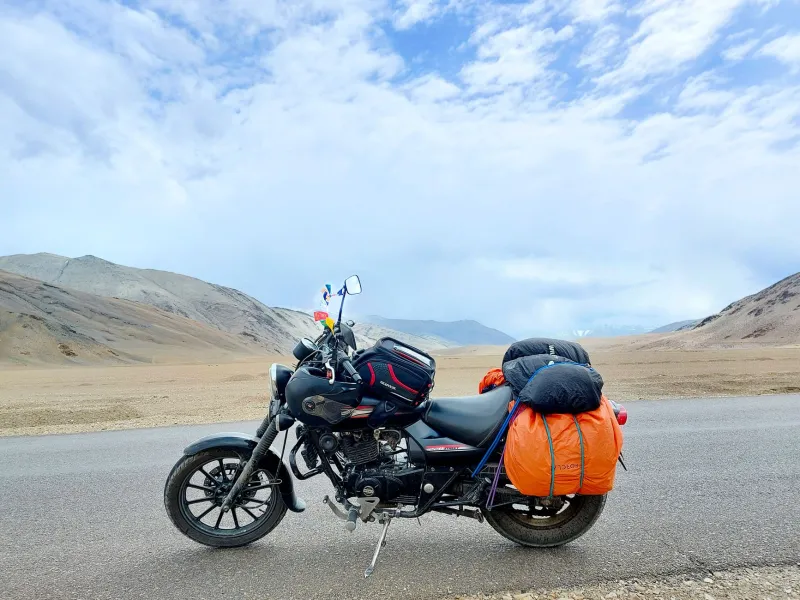
There's a particular kind of rider who doesn't stop because they have to. They stop because they know how to. Pull into any diner parking lot off a rural state highway around hour five of a long haul and you'll spot them immediately—helmet resting on the seat, coffee in hand, eyes somewhere on the horizon. They're not exhausted. They're recalibrating.
It turns out that headspace looks a lot like what happens inside a conditioning tank at a well-run craft brewery.
Both worlds—long-distance motorcycling and small-batch brewing—operate on a philosophy that runs directly counter to the American obsession with speed and output. The best riders and the best brewmasters have quietly figured out the same thing: the pause isn't a delay. It's part of the process.
The Myth of the Non-Stop Ride
Ask any experienced long-haul rider about their worst trip and you'll almost always hear some version of the same story. They pushed too hard, skipped stops, ignored the signals their body was sending, and paid for it somewhere around hour seven when decision-making got foggy and reaction times slipped.
"I used to treat stopping as failure," says Marcus Delray, a Denver-based rider who's logged over 200,000 miles across 48 states. "Like every time I pulled over, the road was winning. Took me years to flip that around."
What changed his mind? A conversation with a brewer in Asheville, North Carolina, of all places.
Delray had stopped at a small taproom after a stretch through the Blue Ridge and got talking with the head brewer about a particularly complex amber ale conditioning in the back. The brewer explained that after primary fermentation, the beer essentially needs to rest—sometimes for weeks—before it's ready. Rush that phase and you get a product that tastes unfinished, harsh, like something that almost made it.
"He said, 'the beer knows what it needs. My job is to not mess with it,'" Delray recalls. "And I thought, that's exactly what my body is trying to tell me every time I blow past a rest stop."
What Fermentation Can Teach You About Fatigue
The science of brewing actually maps onto human physiology in ways that feel almost too convenient.
During conditioning—the phase after active fermentation where a beer mellows, clarifies, and develops its final character—yeast cells are still working, just more quietly. Proteins drop out of suspension. Off-flavors that developed during the vigorous early fermentation get reabsorbed or fade. The beer isn't done; it's integrating.
The human body does something remarkably similar during rest. Micro-fatigue in muscles begins to resolve. Cortisol levels, elevated during high-focus riding, start to normalize. The prefrontal cortex—responsible for judgment, spatial reasoning, and risk assessment—gets a chance to catch up with the sensory load it's been processing for hours.
Skip that window in brewing and you rush a product that needs more time. Skip it on the road and you're piloting a few hundred pounds of machinery with degraded judgment. Neither outcome is worth the time you saved.
"We condition our lagers for a minimum of six weeks," says Jamie Ostrowski, head brewer at Flatline Brewing Co. in Bozeman, Montana—a spot that pulls as many riders as it does beer tourists. "People ask why our stuff tastes so clean compared to larger operations. Honestly? We just don't rush the boring parts."
Timing Is Everything—In Both Directions
Knowing when to stop is its own skill set. Stop too early and you break momentum unnecessarily. Stop too late and you're already compromised. The window is real, and both riders and brewers develop an intuition for it that's hard to teach but unmistakable once you have it.
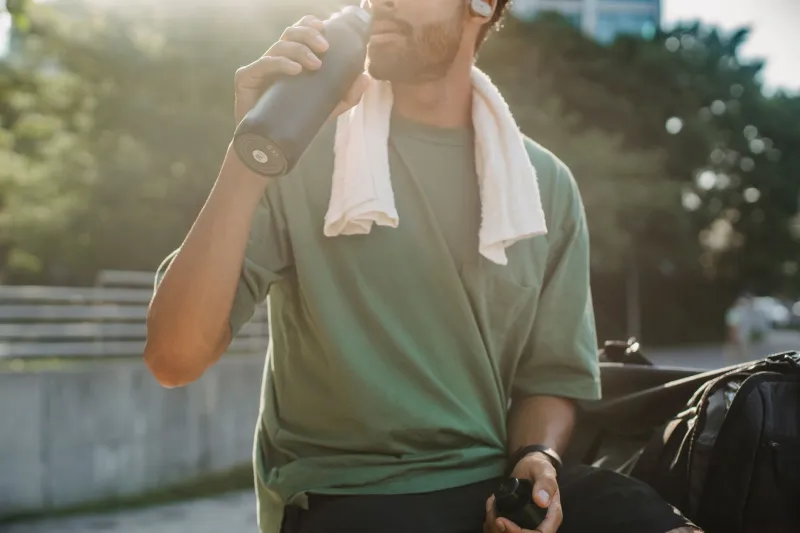
For riders, the general guidance from long-haul veterans clusters around the 90-minute-to-two-hour mark for a meaningful break—not a gas pump stretch, but a genuine 15-to-20-minute sit-down that includes hydration and a moment to let the road noise leave your head. Some experienced tourers build these stops into their route planning the same way a navigator plots fuel stops: non-negotiable, anticipated, part of the ride rather than an interruption to it.
Ostrowski describes a similar instinct in the brewery. "You get a feel for when a batch needs attention versus when it just needs to be left alone. Newer brewers want to keep checking, keep adjusting. The best thing you can learn is restraint. Know when your job is to walk away."
That restraint—that willingness to trust the process—is the connective tissue between these two disciplines.
The Pit Stop as a Ritual, Not a Timeout
Reframe the rest stop not as a concession to limitation but as a deliberate ritual and something shifts in how you experience a long ride. The coffee tastes better. The view from the pullout actually registers. You notice the elevation change in the air, the way the light is different than it was 200 miles back.
Craft brewers talk about tasting their beer at various stages of conditioning with the same kind of presence. It's not quality control in the clipboard-and-checklist sense. It's more like checking in with something alive, something that's been developing while you weren't watching.
"Every sample pull is a conversation," says Ostrowski. "You're asking the beer where it's at, and it tells you if you're paying attention."
Long-distance riders who've made peace with the pause describe their stops the same way—not as dead time but as information-gathering. How are my hands? Is my lower back sending early signals I should address now rather than at mile 400? Am I hungry in that low-grade way that sneaks up on you?
Those questions, asked honestly and answered early, are what separate riders who finish strong from riders who white-knuckle the last hour home.
Building Your Own Break Philosophy
You don't need a rigid system. What you need is an honest relationship with your own limits and a willingness to respect the process.
For the road: plan your stops before you leave. Pick a diner, a scenic overlook, a small-town gas station with a decent pie reputation. Give yourself something to look forward to rather than a marker of defeat. Drink water, not just coffee. Eat something real. Let the noise settle before you put the helmet back on.
For the taproom: the next time you're working through a flight, slow down between pours. Give your palate the conditioning time it needs. The beer at the end of that flight will taste different—better—if you've given each one room to breathe.
The philosophy is the same whether you're covering miles or managing mash. Quality doesn't come from pushing harder. It comes from knowing when to stop, breathe, and let the process do what it was always going to do anyway.
The road will still be there when you're ready. So will the next round.
Ride Hard. Drink Well. Live Free.