Wake Up, Gear Up, or Stand Down: The Rider's Real Guide to Hangover Recovery
Let's be honest with each other for a second. You didn't ride all these miles, invest in all that gear, and build all that skill just to throw it away on a foggy Tuesday morning because you had two too many bourbons the night before. The motorcycle doesn't care how legendary your Saturday was. The asphalt doesn't grade on a curve. And your reaction time—dulled by dehydration, poor sleep, and a blood sugar crash—isn't something you can fake your way through.
This isn't a lecture. It's a protocol. Because riders who take the craft of drinking seriously also need to take the craft of recovering seriously. Here's how to do it right.
What's Actually Happening Inside Your Body
A hangover isn't just a headache and a bad attitude. It's a multi-system physiological event. Alcohol is a diuretic, which means your kidneys go into overdrive flushing fluids—taking magnesium, potassium, and sodium right along with them. Those electrolytes aren't just nice-to-haves; they're the voltage that runs your nervous system. When they drop, your muscles cramp, your focus blurs, and your reflexes slow down in ways you might not even notice until you're already in a corner.
Alcohol also disrupts your sleep architecture. You might log eight hours, but the REM cycles that actually restore your brain? Alcohol suppresses them hard. That's why you can sleep a full night after a long evening at the bar and still wake up feeling like you were run over by the very bike sitting in your garage. The grogginess isn't laziness—it's your prefrontal cortex running on fumes.
And then there's acetaldehyde, the toxic byproduct your liver produces while metabolizing alcohol. It's nastier than the alcohol itself, and it lingers. Nausea, sensitivity to light and sound, that general sense of wrongness—that's acetaldehyde doing its work. No amount of coffee powers through it.
The Hydration Window You're Probably Missing
Most riders grab a glass of water in the morning and call it a recovery plan. That's not nothing, but it's not enough either. The real hydration opportunity is the night before—specifically in the window between your last drink and when you fall asleep.
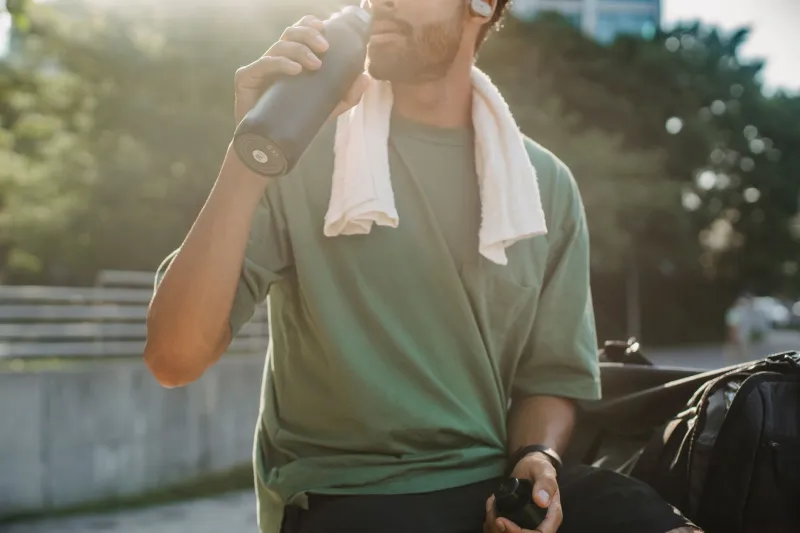
Drinking 16 to 24 ounces of water before bed, ideally with a pinch of salt or a proper electrolyte tablet, can meaningfully blunt the morning-after severity. Your body is already starting to dehydrate while you sleep. Getting ahead of that curve is the difference between waking up rough and waking up wrecked.
In the morning, water alone still isn't the full answer. You need sodium to help your cells actually absorb and retain that fluid. Sports drinks like Pedialyte or Liquid I.V. aren't just for kids and marathoners—they're exactly what your depleted system needs. Coconut water works too if you want something more natural. The goal is restoring osmotic balance, not just volume.
Eating Through It: What Actually Works
The greasy-diner mythology has some truth buried in it, but the science is more nuanced than a plate of bacon and eggs. What you actually want is food that stabilizes blood sugar, supports liver function, and replaces lost nutrients.
Eggs are genuinely useful—they contain cysteine, an amino acid that helps break down acetaldehyde. Bananas and avocados replace potassium. Toast or oatmeal gives your blood sugar a steady lift without spiking it. Ginger, whether in tea or a simple ginger ale, can calm the nausea enough to let you eat in the first place.
What you want to avoid: more alcohol. The hair-of-the-dog concept delays recovery rather than accelerating it. You're just pushing the bill down the road, and if you've got a ride planned, that bill comes due at the worst possible time.
Sleep Quality Over Sleep Quantity
If you've got the luxury of a slow morning, use it. One of the most underrated recovery tools is a proper nap in the mid-morning or early afternoon—after you've eaten and rehydrated. This gives your brain a genuine REM opportunity that the alcohol-disrupted night denied it. Even 45 minutes can shift your cognitive clarity in a measurable way.
If you're planning a ride, this matters more than you think. Studies on sleep deprivation and driving performance consistently show that impairment from poor sleep rivals impairment from low-level intoxication. Stack the two together—residual alcohol effects plus degraded sleep quality—and you've got a rider who is genuinely compromised, even if they feel like they're mostly fine.
Mostly fine doesn't cut it on a motorcycle.
The Honest Pre-Ride Checklist
Before you throw a leg over the bike after a night out, run through this without sugarcoating your own answers:
Are you still feeling any alcohol effects? If there's any lingering buzz, warmth, or altered perception, you are still legally and physically impaired. Park it.
Is your reaction time sharp? Try this: set a timer on your phone and try to stop it exactly at five seconds without counting. If your timing is way off, your reflexes are off. That's a real-world test, not a vibe check.
Have you eaten and hydrated? Not just coffee. Real food, real fluids. Coffee is a mild diuretic and it doesn't replace electrolytes. It's fine as part of a recovery plan, but it's not the plan itself.
How's your vision and light sensitivity? Squinting in normal daylight, struggling with contrast, feeling like your eyes are lagging—these are hangover symptoms that directly affect how you read the road.
Are you irritable or emotionally reactive? Hangover anxiety and irritability are real neurological effects. Aggressive riding decisions often come from emotional states, not just physical ones. If you're already edgy before you've started the bike, that's information worth respecting.
If the honest answers don't add up, the ride waits. There's no route so good it's worth gambling your life on a compromised morning.
Building the Habit Before You Need It
The smartest recovery strategy starts before the first drink, not after the last one. Keeping a water bottle moving through an evening out, eating a real meal before drinking rather than after, setting a mental cutoff time that gives your body at least seven or eight hours before a planned ride—these aren't buzzkill habits. They're the habits of someone who wants to keep riding for the next thirty years.
Keep electrolyte packets in your saddlebag. Stock your kitchen with the basics—eggs, bananas, decent bread. Know where the nearest diner is when you're traveling and a morning recovery meal becomes a logistical challenge.
Ride culture has always had a complicated relationship with drinking culture, and this site exists right at that intersection. We're not here to tell you not to enjoy a great bourbon or a cold craft beer at the end of a long day in the saddle. We're here to say that the same discipline, preparation, and attention to detail that makes you a good rider? It applies here too.
Treat your recovery like you treat your pre-ride check. Methodically. Honestly. Without cutting corners.
The road will be there tomorrow. Make sure you're actually ready for it.